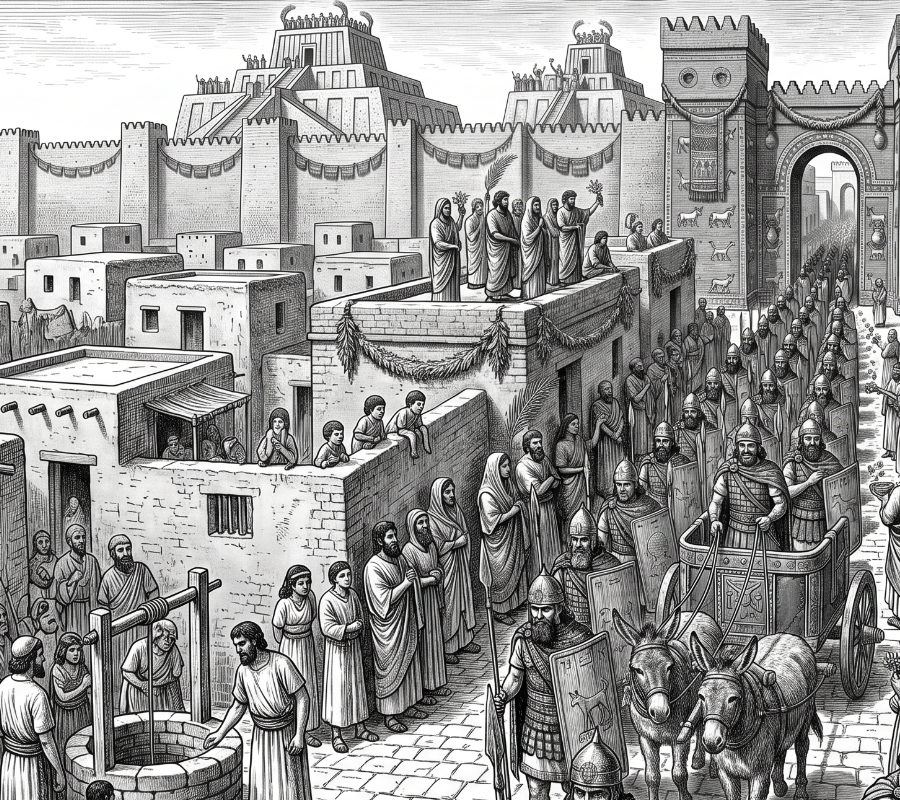
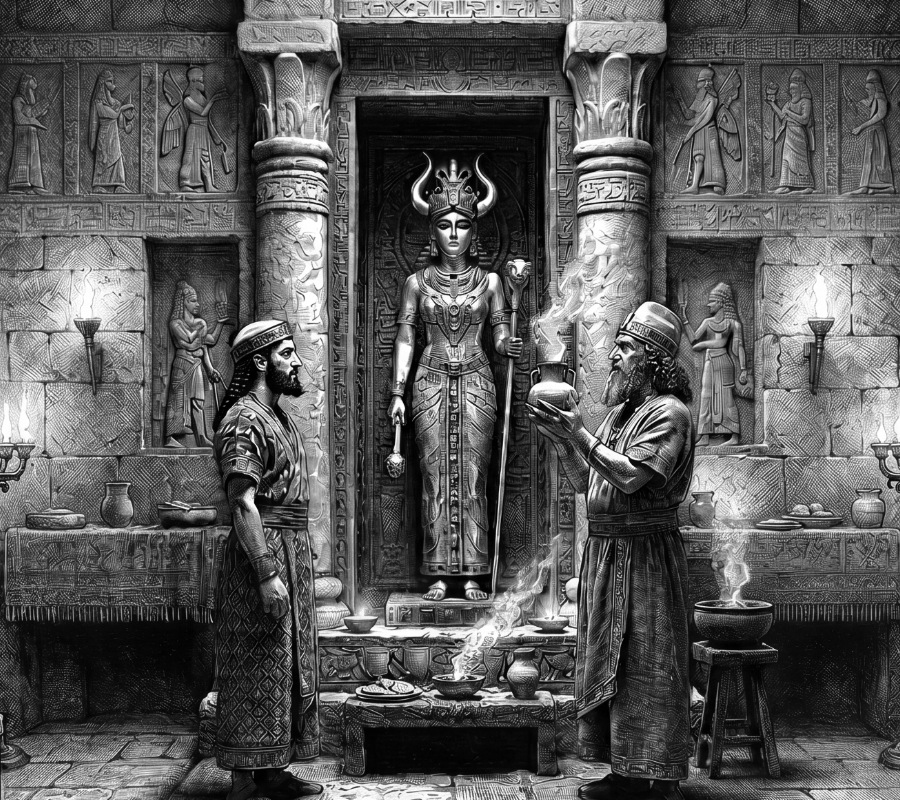


On the shore of the Euphrates, a priest dressed in pure linen immerses a statue in a vessel of sacred water. It is a body of tamarisk wood covered with gold sheets, still has no soul. The rite is called mΟs pΟ: "mouth wash." For two days, eleven rigorous stages will transform this object made in the workshop into a being able to smell incense, taste bread and listen to prayers.
The scribes of Asurbanipal, the great librarian king of Nineveh, recorded this ceremony on clay tablets. The most complete texts date from the 8th to V centuries before our age. But the fundamental gesture —activate the mouth of a divine image— appears already in Sumerian inscriptions of the time of Gudea, around 2100 BC
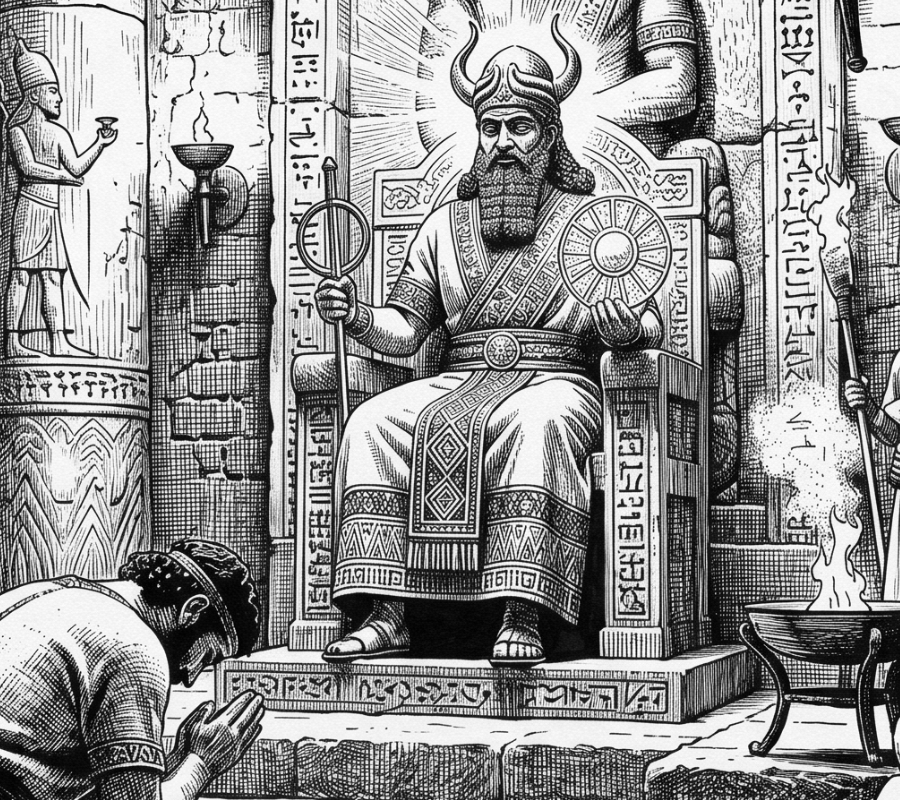
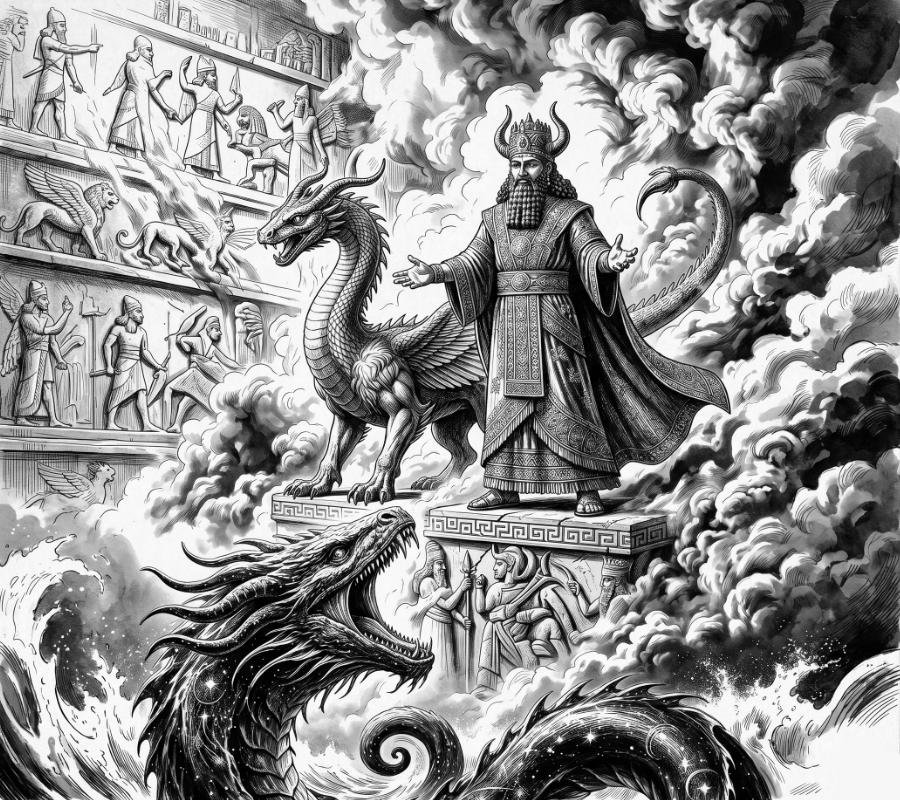
The Mesopotamans worshipped cult statues called Οalmu. Each was home to a deity: Marduk in Babylon, Ishtar in Uruk, Shamash in Sippar. But there was a theological problem: a human artisan made the statue with his own hands. How could a manufactured object become the body of a god? The answer is provided by the ritual itself. The priest āšipu —an expert exorcist in purity— recite a strong statement while the statue waits in the workshop: "I did not; Ninagal, the god of the smiths, did it." The craftsman kneels. With a tamarisk wooden knife, the priest symbolically cuts his hands. From that moment on, the statue is born in heaven by divine will and only appears on earth. The gesture breaks all ties to its human creator. The ritual was developed in four different scenarios: the workshop, the river bank, a sacred garden and finally the temple. Each space represents a level of the cosmos.
First dia: purifyingorn in the workshop
In bΟt mummi —the "house of the craftsman"—The priest has two vessels with ritual water. A red cloth extends to the statue and a white cloth to its right. The first mouth wash uses pure water mixed with seven types of wood and resins. Once purified, the image begins a procession towards the river. The priest takes it by hand, an honor reserved for kings in public ceremonies. During the journey, the tour recites: "As you grew up, as you grew up from the forest."
The shore of the ApsYou
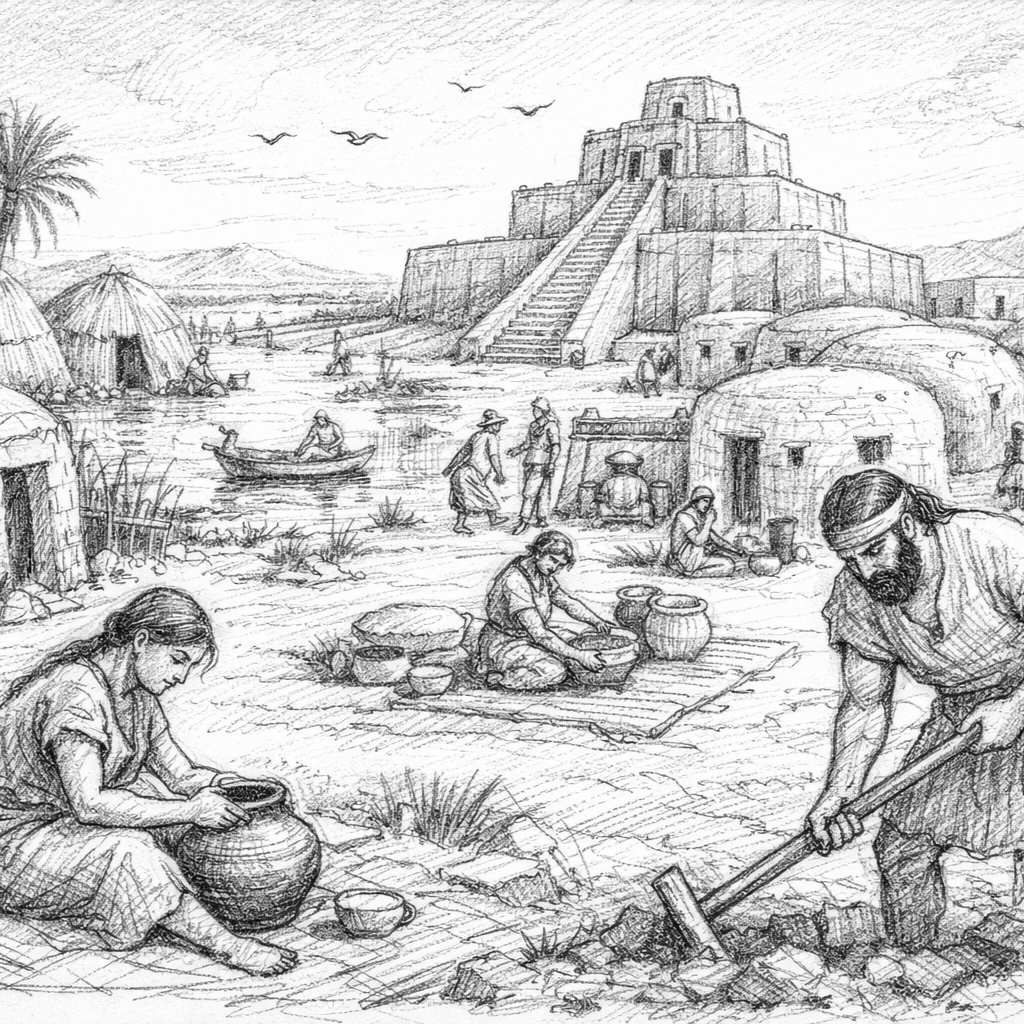
The river represents the Apsù, the underground ocean of fresh water that surrounds the earth and serves as a dwelling place for the God Ea, lord of wisdom. There, the priest prepares the palangana from the washing of the mouth. The mixture it contains is surprising for its variety. The sacred water receives cedar resin from Lebanon —Lebanese Cedrus, the most precious wood in the Old East—, cypress oil, juniper branches, tamarisk bark, and a plant called sikillu, whose name is Sumerian means "pure plant." Recent studies identify this sikillu with albarrana (Urginea maritima), a bulge of medicinal and magical properties highly valued throughout the Mediterranean.
Next to these vegetables, the palangana contains minerals: sulphur, salt, magnet stone, corneline, lapislazuli. And metals: silver, gold, tin, iron. The priest introduces the statue into this hot mixture of aromas and colors. The water drags the dust and waste from its construction in the workshop and, with it, the last human manufacturing footprint. The river also receives a desolate ram. The priest opens his thigh, introduces an axe, a nail, a saw and two turtle figures in silver and gold. Then throw the package into the current. The turtles, animals of the Apsù, carry the instruments of the artisan gods back to their primordial abode.
The statue then moves to a sacred garden. In Babylon, this place corresponds to the garden of the Esagila, the great temple of Marduk. On a cane mat and a linen fabric, the image is placed looking east, just where the sun appears every morning. The priest builds small cane cabins to house the protective deities. The cane —Phragmites australis— It has a deep cosmic meaning: its roots drink from the underground Apsù as its stems rise to the sky. It connects the three levels of the universe. There, the āšipu repeat the enchantment three times: "He who comes, his mouth isa washed. " Then the comitiva heads to the temple door.
The inner sanctuary
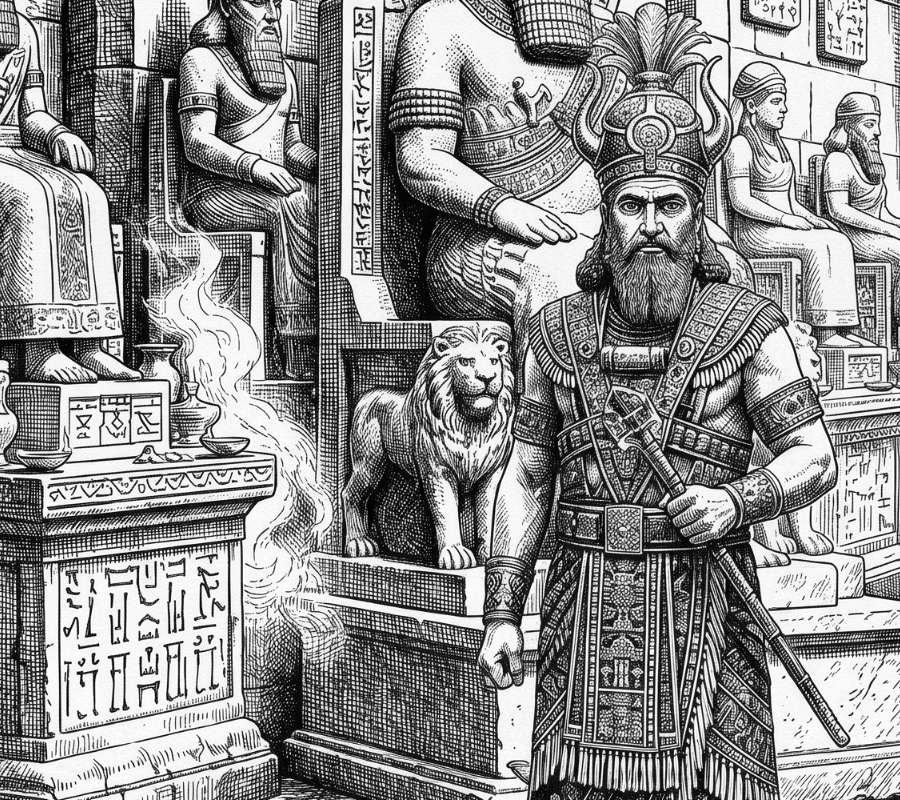
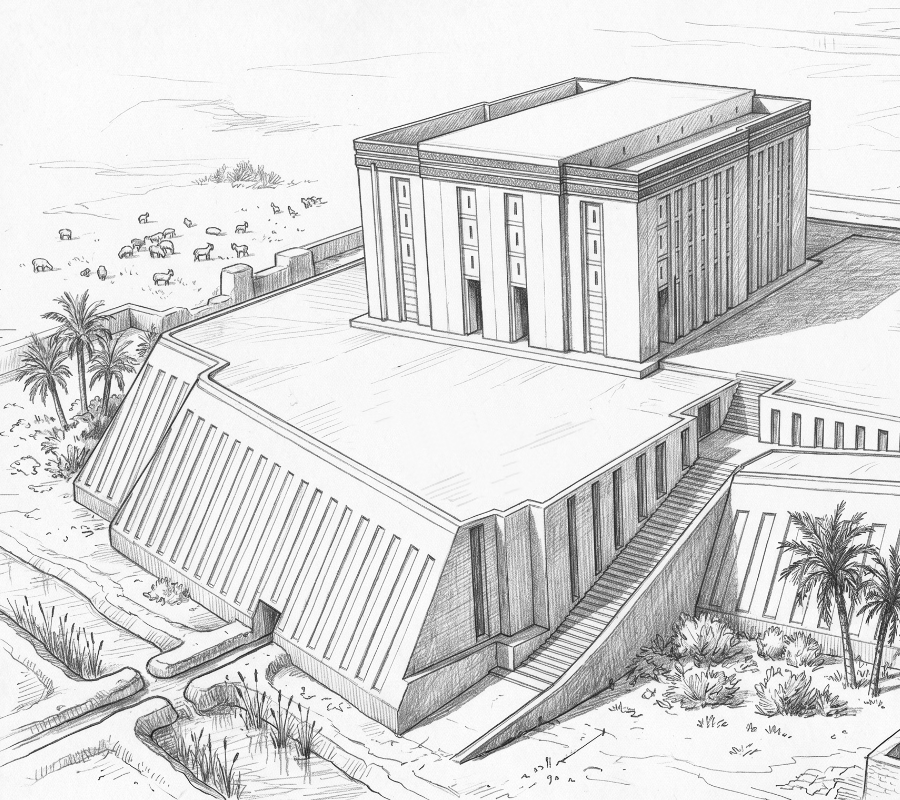
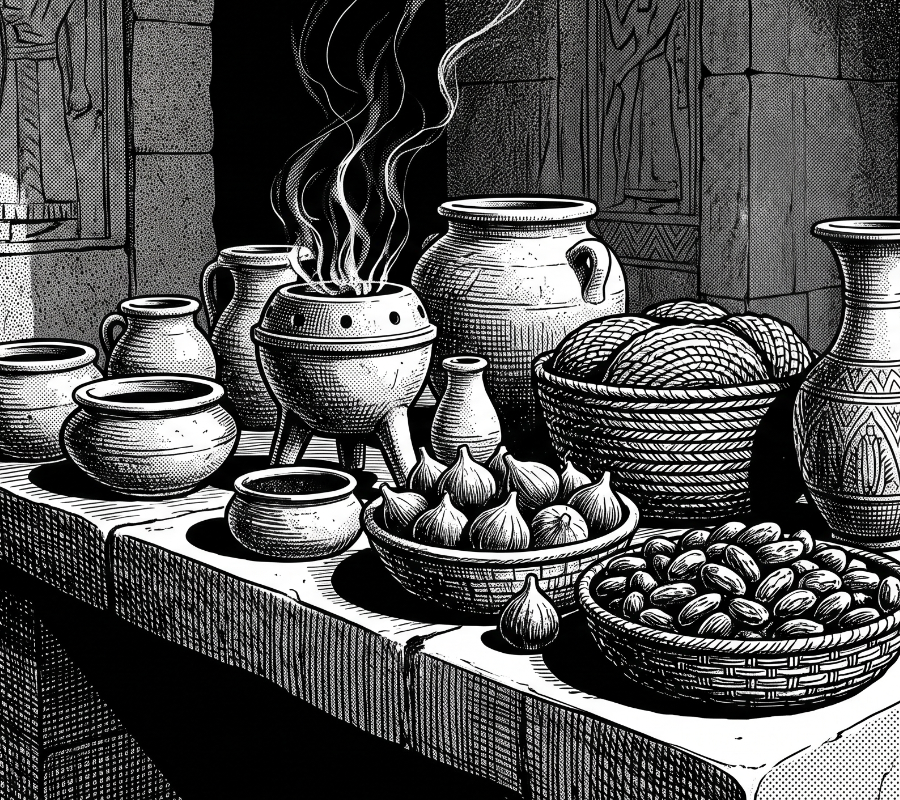
The statue finally enters the Dad.Οuthe sacred niche where he will live forever. The priest recites: "My king, to your corazor- Satisfied. " The gods of the pantheon —Anu, Enlil, Ea, Sin, Shamash, Amad, Marduk, Gula and Ishtar— they receive offerings at nine tables facing north. Another nine tables, looking south, honor the patron gods of the artisans. Even Jupiter, Venus, the Moon, Saturn and constellations receive their own ritual table.
The second dia: the mouth that eats
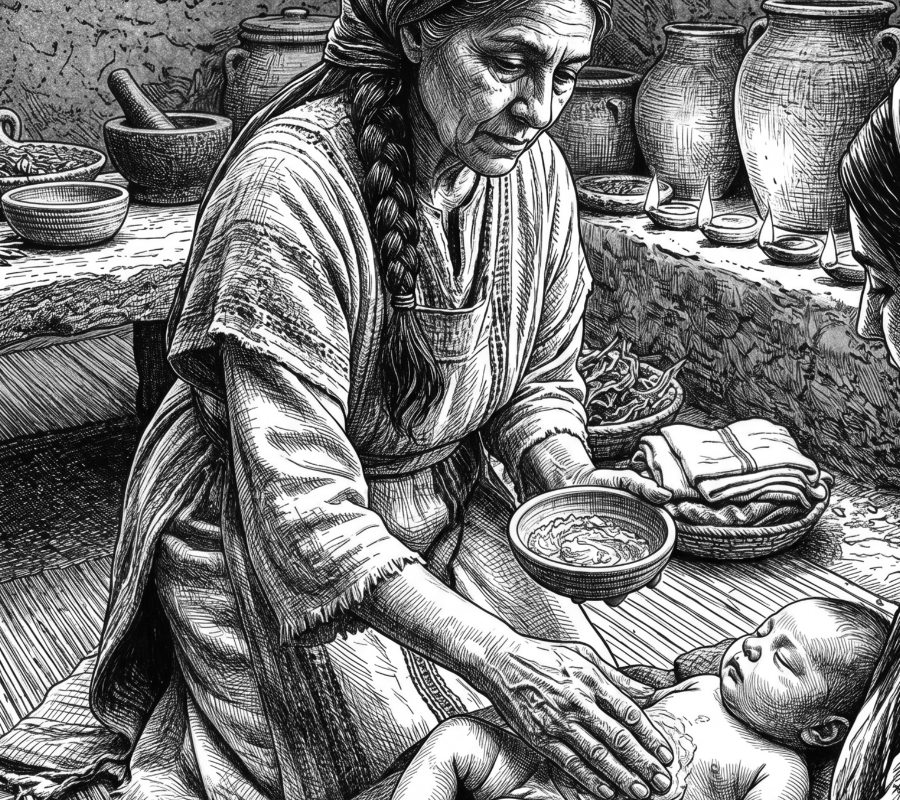
At dawn on the following day, the priest applies a thick mixture of four ingredients on the lips and nose of the statue:
- Datile syrup (dišpu): the sweetness of the palm tree, the tree that bears fruit without the need for annual sowing.
- Ghee (himΟYou): clarified butter, sacred fat that nourishes.
- cedar oil: the incorruptible essence of the mountains of Lebanon.
- Cypress oil: balsamic resin that conserves.
This ointment has a precise function: to give the statue the ability to smell the incense that the priests will burn every morning, to eat the loaves placed on its altar and to drink the drink of wine and milk. The texts declare this without ambiguity: "Concegive him ceremoniously the destiny so that his mouth can eat, so that his or heriTwo can listen. " The mΟs pΟ It is, above all, an olfactory ritual. Mesopotamic theology considers that an unconsecrated statue cannot perceive the smell of incense. The aroma acts as a bridge between the human and the divine world.
¿Cuaand foren?
The ritual requires a "propitious day." The priests bārYou —divers specialized in examining animal livers— determine the date by augur. The full moon and new moon days offered favourable conditions. The months of Nisannu (marzo-April) and Iyyar (abril-May), linked to the New Year's festival, were particularly appropriate.
The mΟs pΟ He served mainly for the great statues of worship: Marduk in Babylon, Ishtar in Nineveh, Shamash in Sippar. But the texts document their use also for secondary ritual objects: a ceremonial torch, a drum covered with bull skin, the jewels of the royal car. Even the mouth of a channel received this treatment when its current threatened to overflow. When a statue suffered damage —a war, an earthquake, the simple passage of time—The priests submitted her to an abbreviated version of the ritual. The image died symbolically and resurrected by a new mouth wash.
Psalm 135 of the Hebrew Bible describes idols with words that seem to respond directly to the mΟs pΟ: "They have mouth and do not speak; they have eyes and do not see." A Mesopotamic priest would have objected: the statue does see, does hear, does eat. But only because the mΟs pΟ He transferred those capabilities from heaven. The problem —human object vs. divine entity— it was resolved by rite, not by denial of the image. The Egyptians practiced a similar ritual called "Opening of the mouth" (wepet er), documented from the Old Empire. There, the priest touched the statue's mouth with a ceremonial chisel to activate his senses. The two cultures, separated by the desert, reached parallel solutions to the same theological paradox.
Today, no mesopotamic statue conserves his soul. The images of Marduk, Ishtar and Shamash lie like metal and stone fragments in museums in Baghdad, London and Paris. The Euphrates has changed their course. The priests āšipu They stopped reciting the enchantations more than two millennia ago.