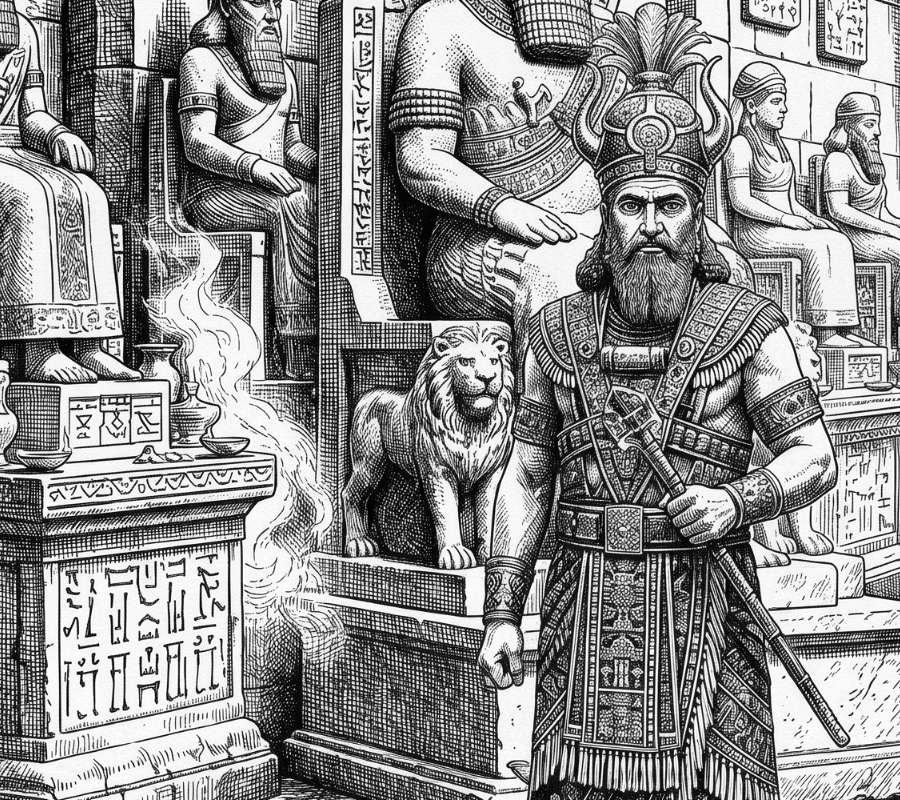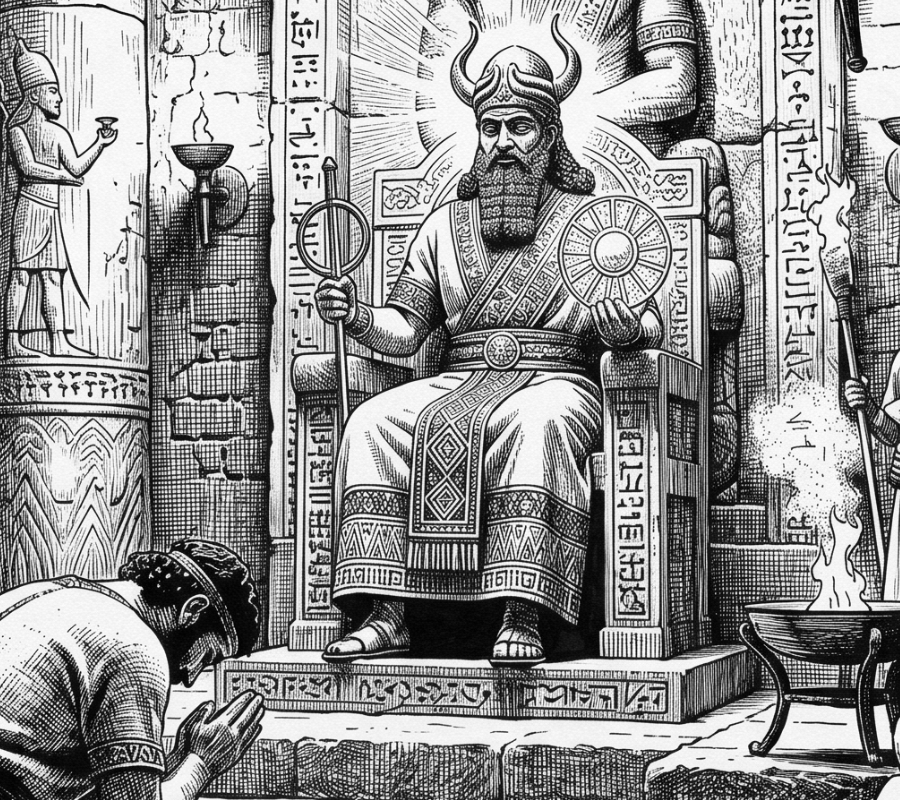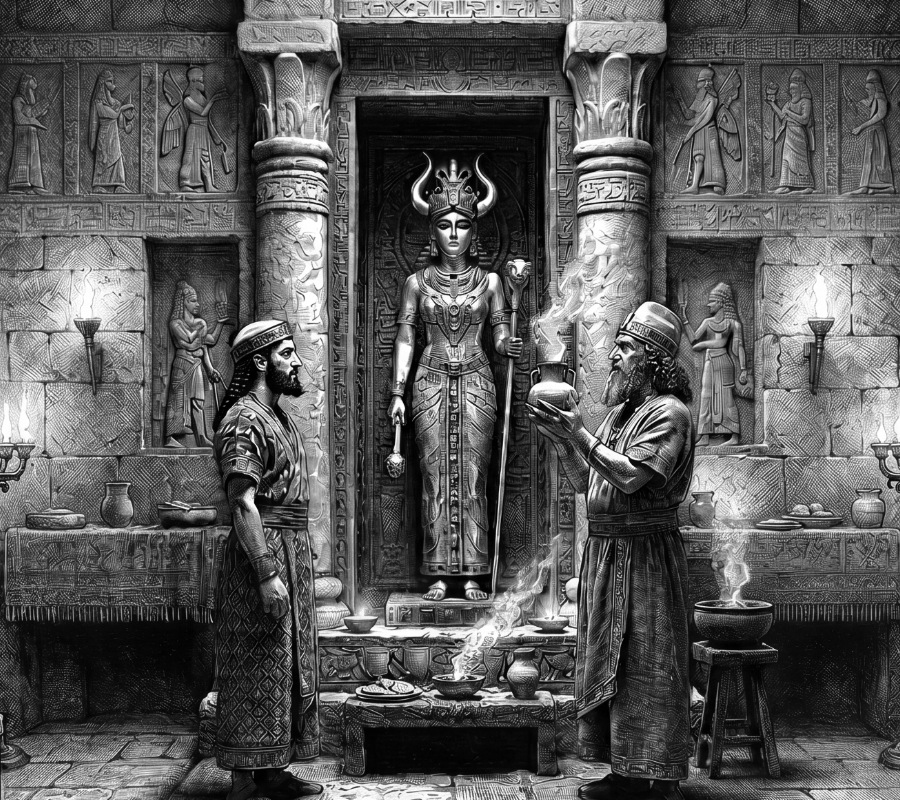
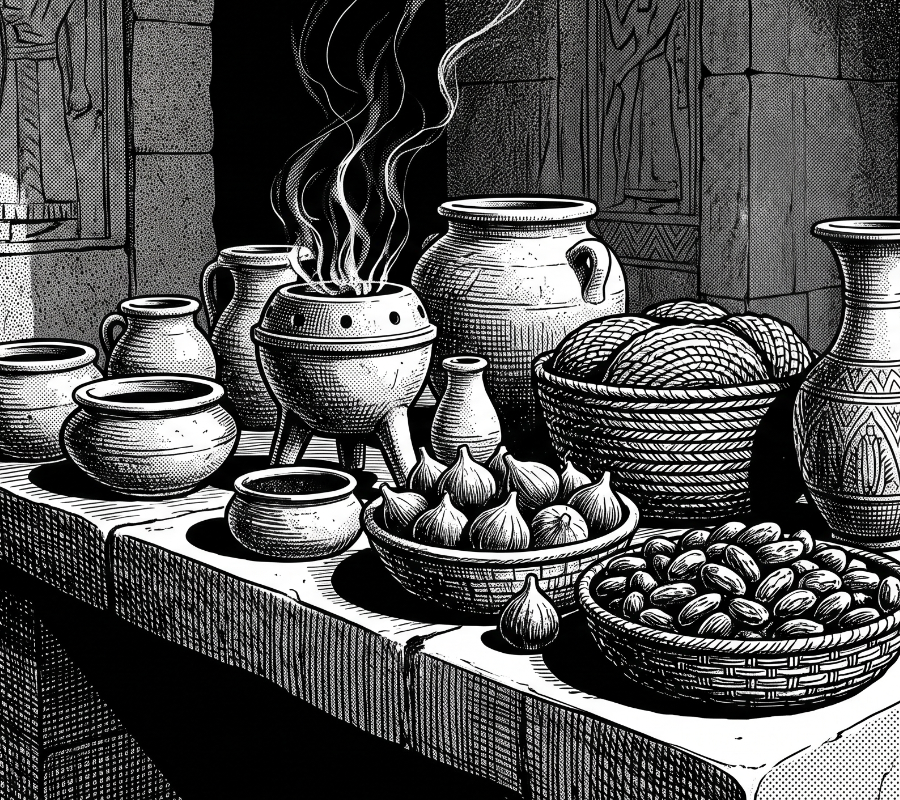
 The effect was calculated. The interior of the temple was to smell different from any other place. The sacrality of space had an olfactory dimension as constitutive as the architectural one: without that specific aroma —imported resins from distant mountains, slow and controlled combustion— The rite lost one of its layers of meaning.
 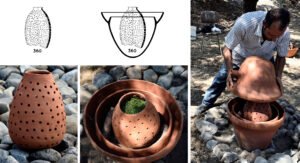 Berra y Sanna, EXARC Journal (2020): 12 double-edged channel vessels, colators, fungi and bell-shaped containers of the IX-XII levels of Tepe Gawra constitute two complete functional distillation devices, verified by experimental archaeology. Similar vessels were identified in Tell Brak (CH XIII level) and Khirbat al-Fakhar Hamoukar, indicating an extended regional practice.


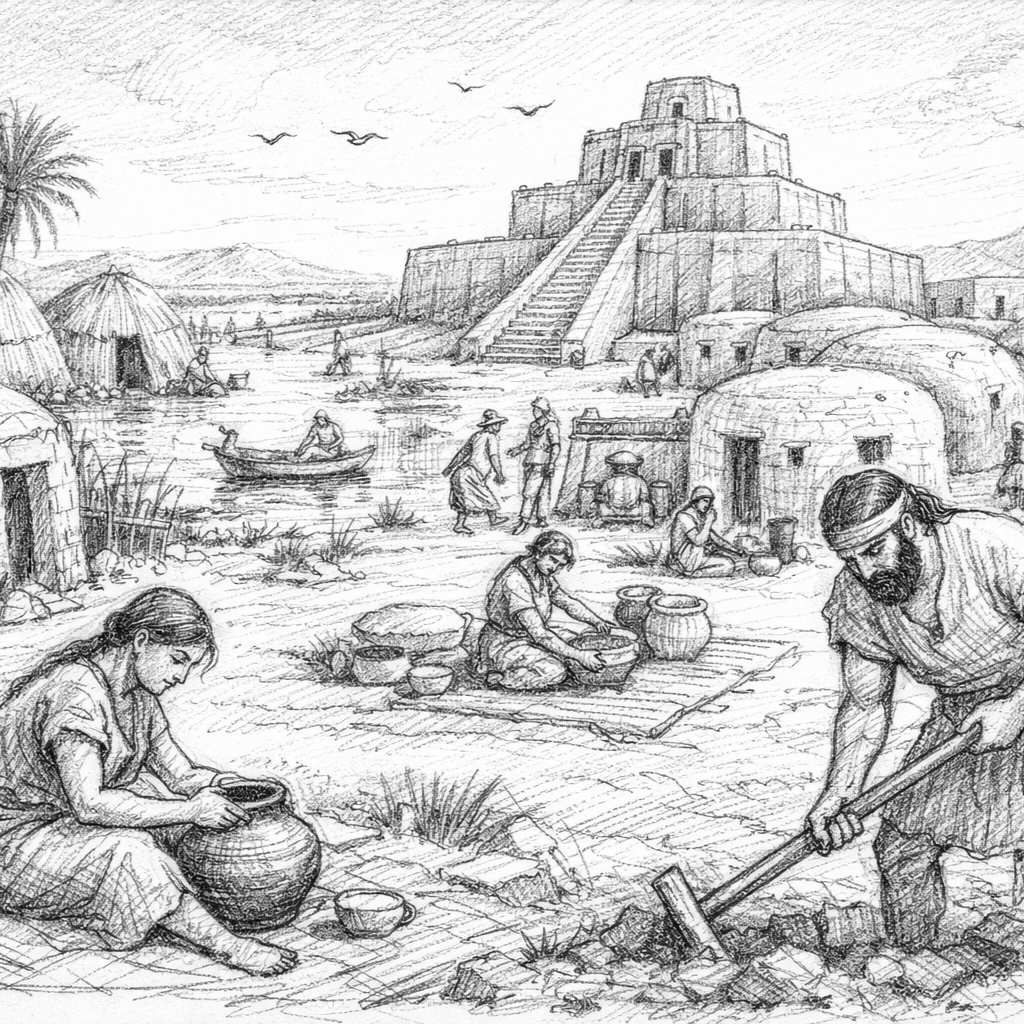
Between 6500 and 3800 BC, four archaeological cultures took place and superimposed in Mesopotamia. Their names —Hassuna, Samarra, Halaf, Ubaud— They are not the names they used themselves: they were put up by the archaeologists who excavated the deposits. Behind those names is something extraordinary: almost three millennia of continuous experimentation that laid the foundation for the world's first urban civilization.
Hassuna (c. 6500-5800 BC) was the first sedentary agricultural tradition in the north, anchored in the rainbow where rain was sufficient to grow cereals. Its villages had between one and three hectares: adobe, courtyards, silos, ovens. People who had decided to stay and had started saving things for the winter.
Samarra (c. 5500-4800 BC) crossed into the semi-arid plain and found itself with a radical problem: the rain no longer reached. His response was one of the most important innovations in human prehistory: artificial irrigation planned. The Choga Mami and Tell channels are -Sawwan, dated around 5600-5400 BC, are the oldest documented in Mesopotamia. Humanity stopped waiting for the rain from the sky and began to redirect the rivers.
Halaf (c. 6100-5100 BC) produced the most refined ceramic technique and aesthetically of the Neolithic of the Near East: polychrome, of almost porcelanea pasta, with geometric and figurative motifs of extraordinary complexity. Its separate chamber furnaces reached a thousand degrees Celsius with a uniform temperature. That same fire technology, that exact combustion domain, is the thread that connects the potter Halaf to the priest who, centuries later, would burn resins in Eridu.
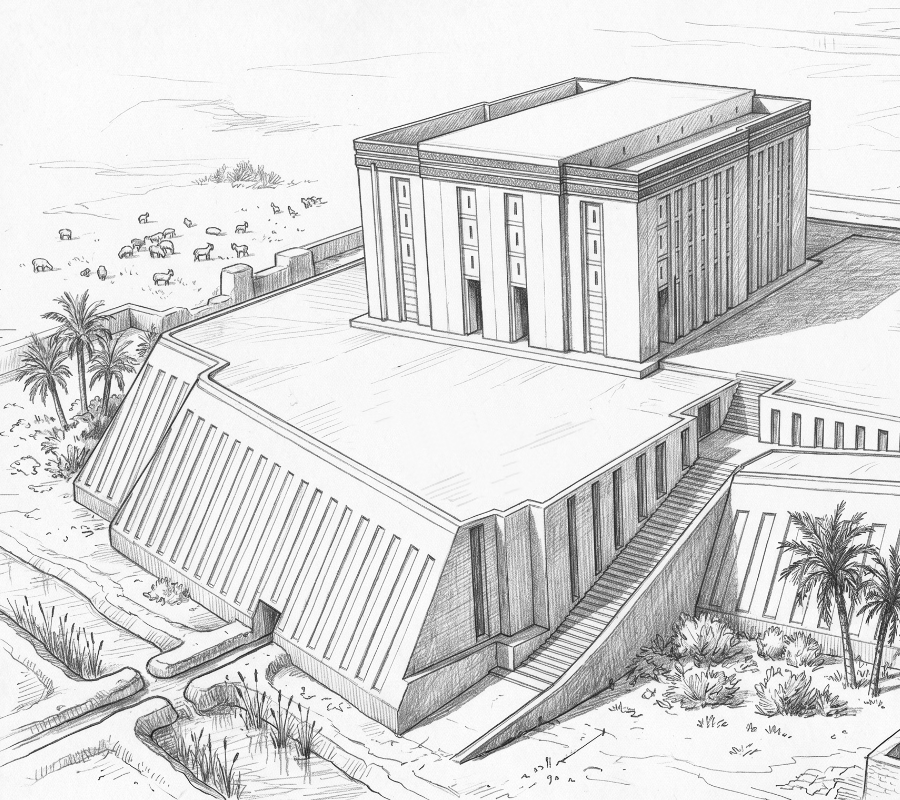
The Ubaid (c. 6500-3800 BC) extended the irrigation model to the entire alluvial plain and created something that had not existed until then: the monumental public temple. In Eridu, the sequence of eighteen superimposed sacred structures —each generation building above the previous one for more than two millennia— is the most eloquent evidence that something radically new was happening. The place was too important to leave. It was always built on top.
These were resilient cultures. When the 8.2 ka climate event (c. 6200 BC) cooled and abrupt the Middle East, the communities of Tell Sabi Abyei could collapse, but instead multiplied their ceramic storage containers to manage crop uncertainty. Where the wood was scarce —as in Surezha— They optimized dry manure as fuel. Environmental stress that, far from ending these cultures, accelerated innovation trends already under way (Akkermans 2015). What archaeology finds here is resilience in the form of ceramics.