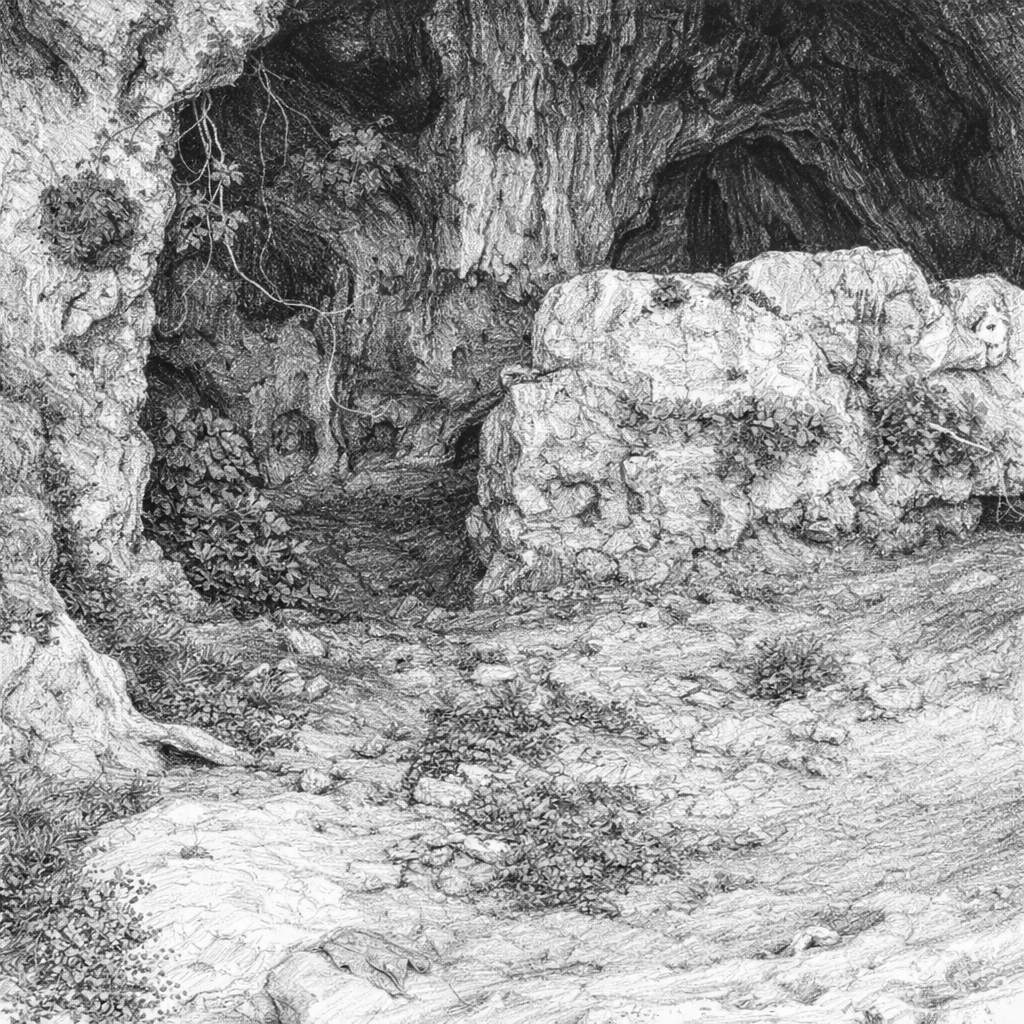
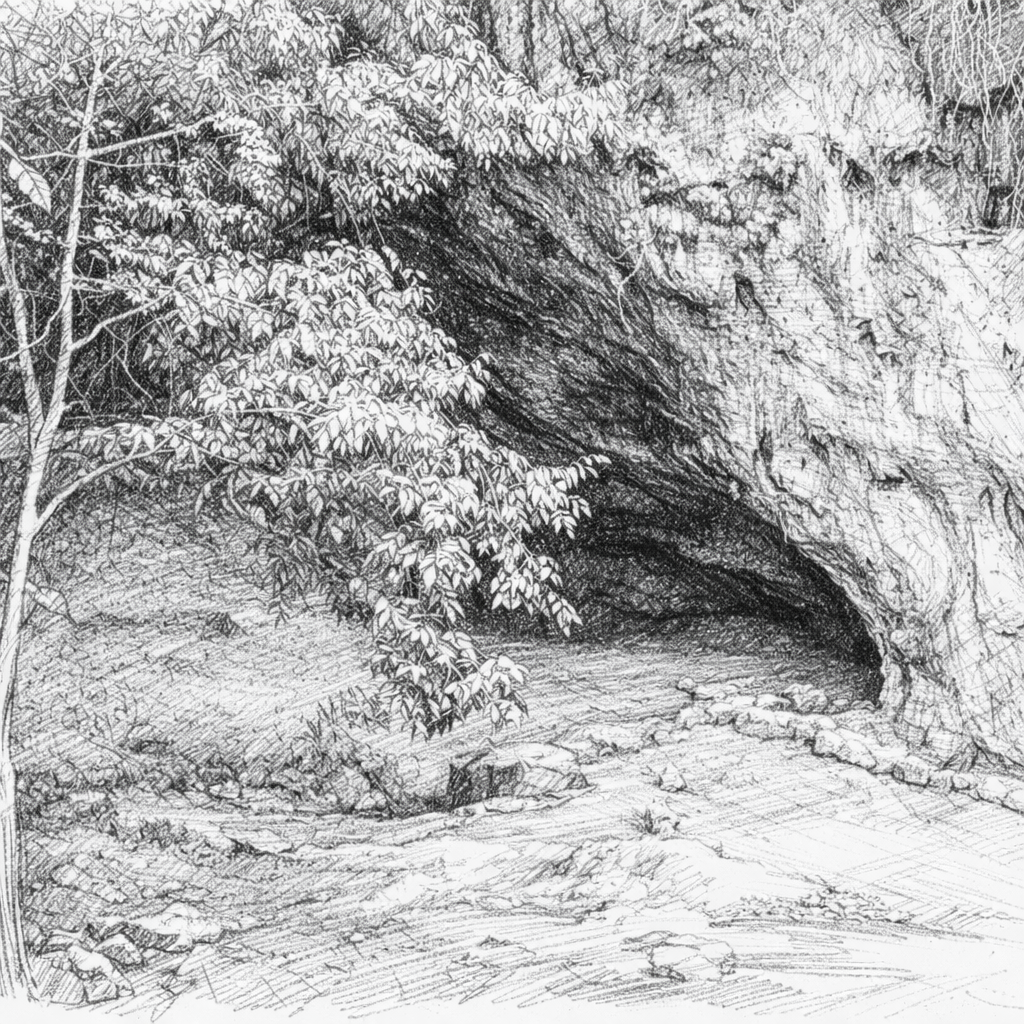



The Raqefet cave opens on the western slope of Mount Carmelo, a few kilometres from the Mediterranean Sea. There, 13,700 years ago, the Natufians prepared the ground to receive their dead. They dug the rock to form a pit. They spread a layer of wet mud on the bottom. On that mud, they deposited a uniform cover of sage-flower stems of Judea (Salvia judaica) and other plants of the mints family (Lamiaceae). The oil and herbal aroma filled the camera while the mourners placed the body, along with pierced shells and stone tools. Then they sealed the grave. The flowers were pressed in the hardened sediment. His impressions remained invisible for 13 millennia, until a team of archaeologists led by Dani Nadel, from the University of Haifa, discovered them in 2013 and published the finding in Proceedings of the National Academy of Sciences.
This gesture —cover a body with aromatic plants— is the oldest and most secure evidence of deliberate use of flowers in a funeral context. The natufiens, hunters-collectors of the final Paleolithic, selected species with specific properties. The Lamiaceae produce essential oils rich in compounds such as alcand, menthol and thymol. Modern pharmacological studies confirm that these substances inhibit the growth of bacteria such as Staphylococcus aureus and Escherichia coliAnd they repel necrophage insects. In a funeral, that aroma had an immediate practical function: to mask the odors of decomposition and to delay microbial proliferation in a body that could remain exposed for days. But the aroma also performed another function, less tangible and perhaps deeper: it transformed a biological process into an act of meaning.
The disposition of the graves of Raqefet reveals planning. The Natufians excavated the graves in the rock, carefully aligned them and reused them for generations. Almost eighty artificial holes (mortars and cupmarks) of various forms and dimensions. Archaeologists interpret this as a community cemetery, one of the oldest documented. The preparation of the flower beds required the collection of flower plants at the exact time of burial. This implies seasonal knowledge of the environment and social coordination: not every day of the year could a dead man be buried with fresh flowers.
Raqefet is not an isolated case. In the Grotte des Pigeons de Taporalt (Morocco), an Iberomaurisian cemetery with more than thirty skeletons dating from 15,100 to 14,000 years before the present, archaeologists recovered twenty-three carbonized bracts from Ephedra sp. next to an adult skeleton. Radiocarbon dating confirmed the contemporaneity between seeds and bone remains. Ephedra contains alkaloids such as ephedrine and pseudoephedrine, central nervous system stimulating compounds, bronchodilators and vasoconstrictors. In the traditional medicine of different cultures —from Chinese to American native— ephedra has been used to treat respiratory conditions, as a stimulant and in shamanic rituals. The researchers proposed two hypotheses: that the ephedra was consumed during the ritual to induce an altered state of consciousness, or that its branches were placed next to the body for its aromatic and conservative properties. Both hypotheses point to detailed botanical knowledge.
Further south, in the Al Khiday complex (Central Sudan), neolithic strata dating from 5000 to 3500 BC have provided tubers of Cyperus rotundus (purple joint) associated with burial. This plant contains complex essential oils with compounds such as ciprotundone and α-ciperone, of recognized antimicrobial, anti-inflammatory and antioxidant activity. Its aroma is terrous, sour and persistent. The nutritional value of Cyperus rotundus is limited, and its bitter taste makes it unappetizable. The researchers concluded that their presence in graves responds to their aromatic and medicinal properties, either to unify the body, to aromatize the pit or as an offering with a symbolic meaning linked to the protection of the deceased.
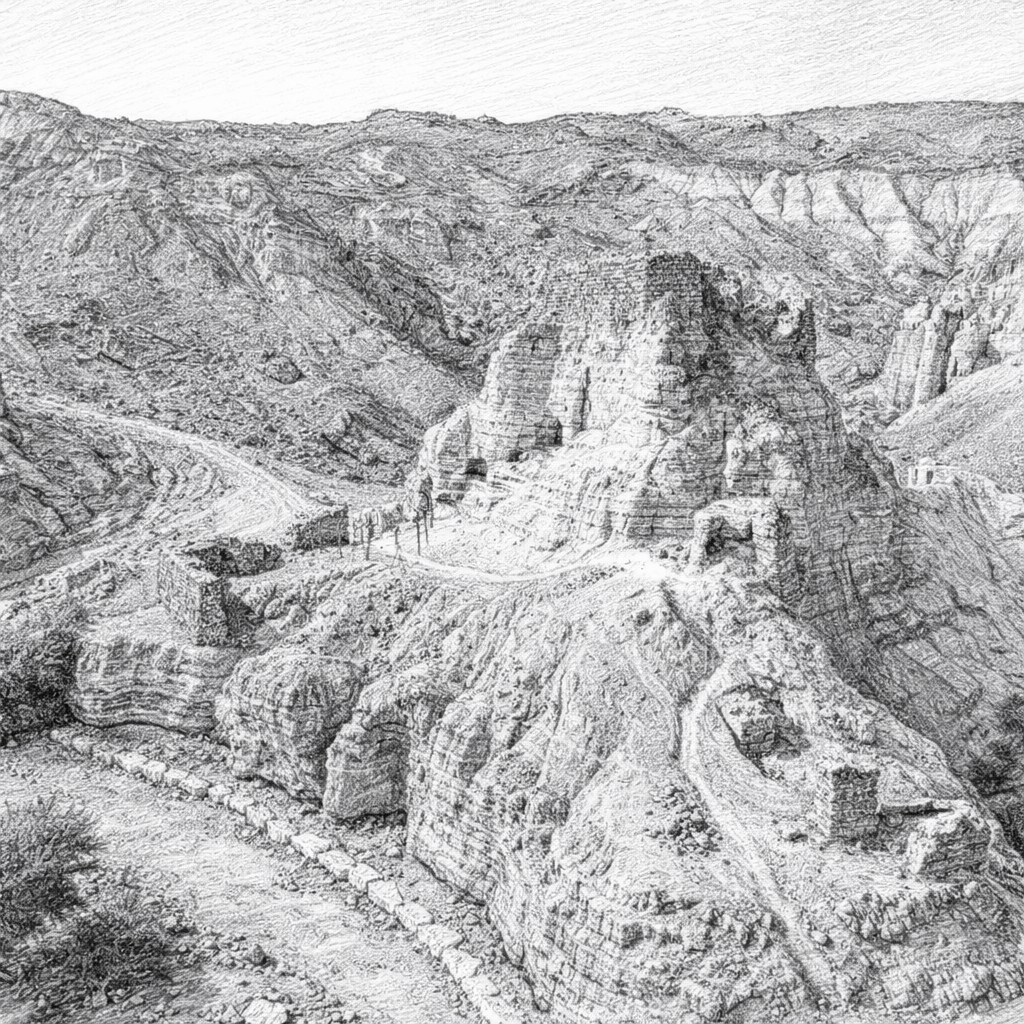
In Nahal Hemar (Judea desert, Israel), a ritual deposit of the Preceramic Neolithic B (ca. 8200-7100 BC), archaeologists found human skulls decorated with asphalt cords and ceremonial baskets covered with a black substance. The analysis by chromatography of gases and mass spectrometry (GC-MS), published in Scientific Reports in 2016, identified a mixture of animal collagen and resin Styrax officinalis (sneezing). The sneeze resin produces a warm, balsamic perfume, comparable to incense or vanilla. This finding is the oldest known record of the use of a fragrant plant resin applied on human remains and ritual objects. Decorated skulls —probably skulls of venerated ancestors— They first received an asphalt coating and then the aromatic resin. The gesture of persmoking the remains of the dead transforms the skull into a sacred object, with a special smell that distinguishes it from the profane. The sneeze resin has antiseptic properties, but also produces an intense and lasting sensory experience. Its aroma is fixed in porous materials and can be perceived for years. For a neolithic community that regularly returned to the cave, this persistent smell acted as a mnemic marker: as it entered the chamber, the scent of the hindrance announced the crossing into a space inhabited by the ancestors.