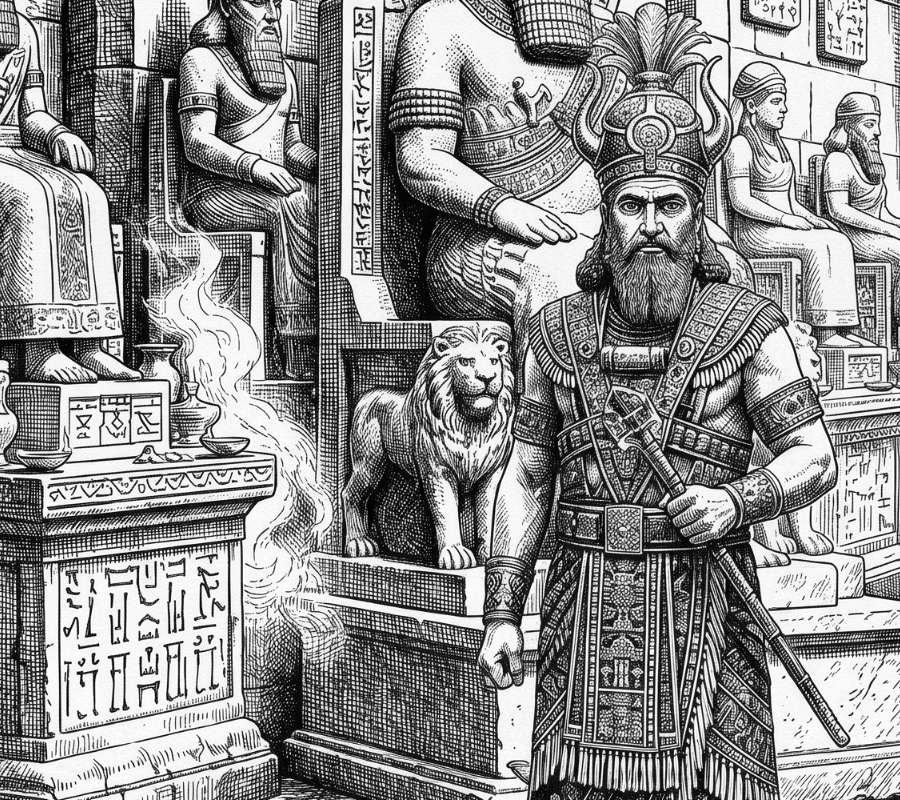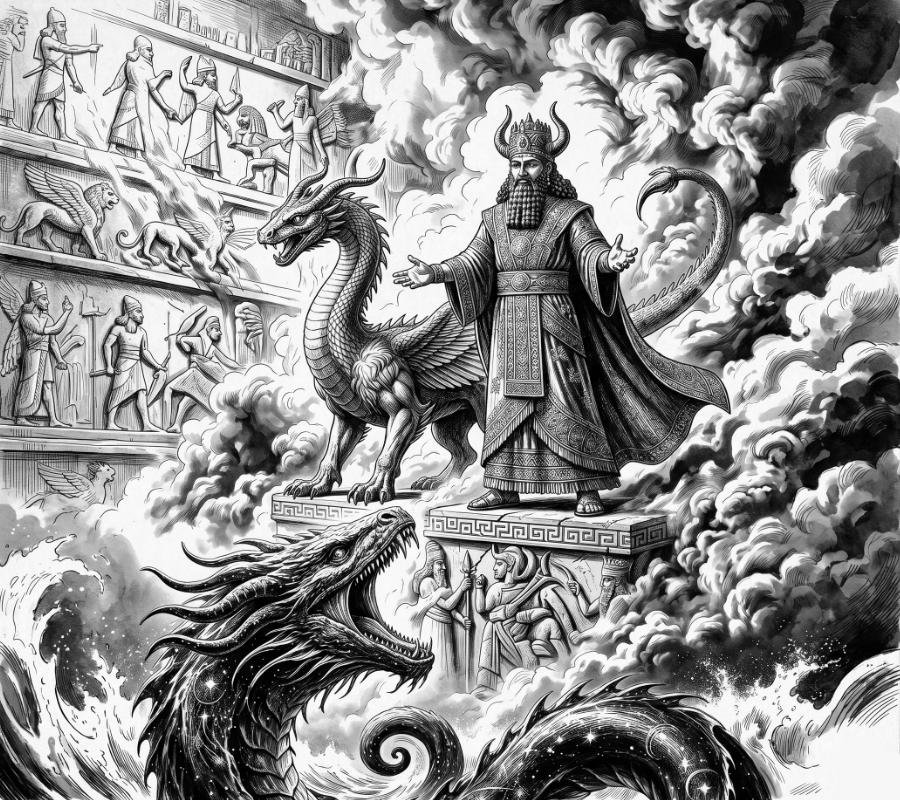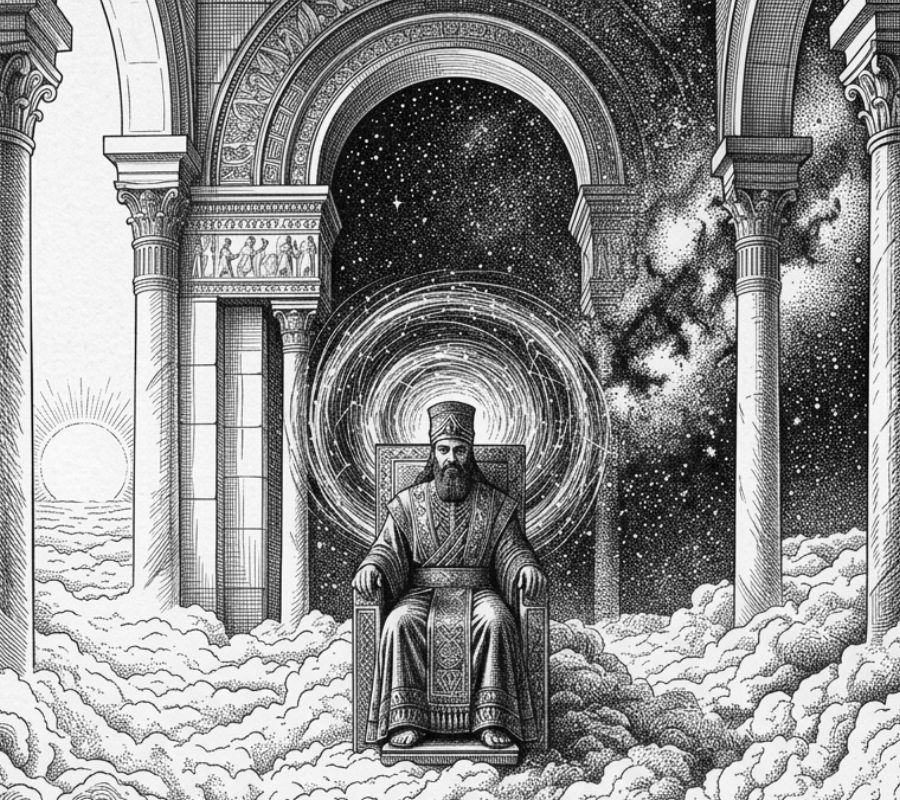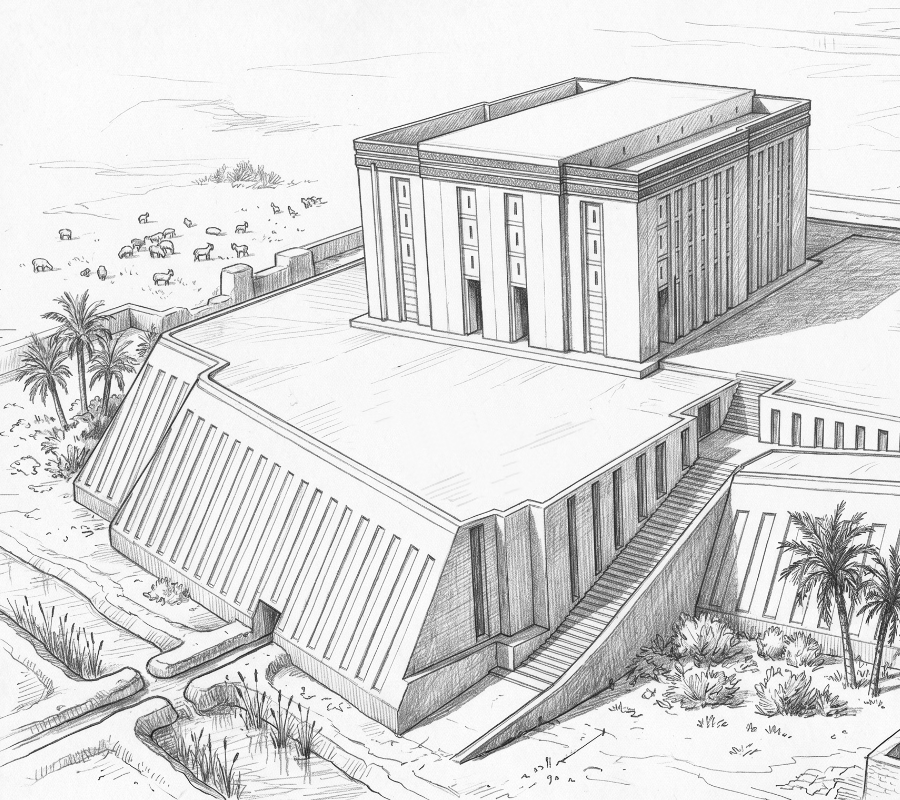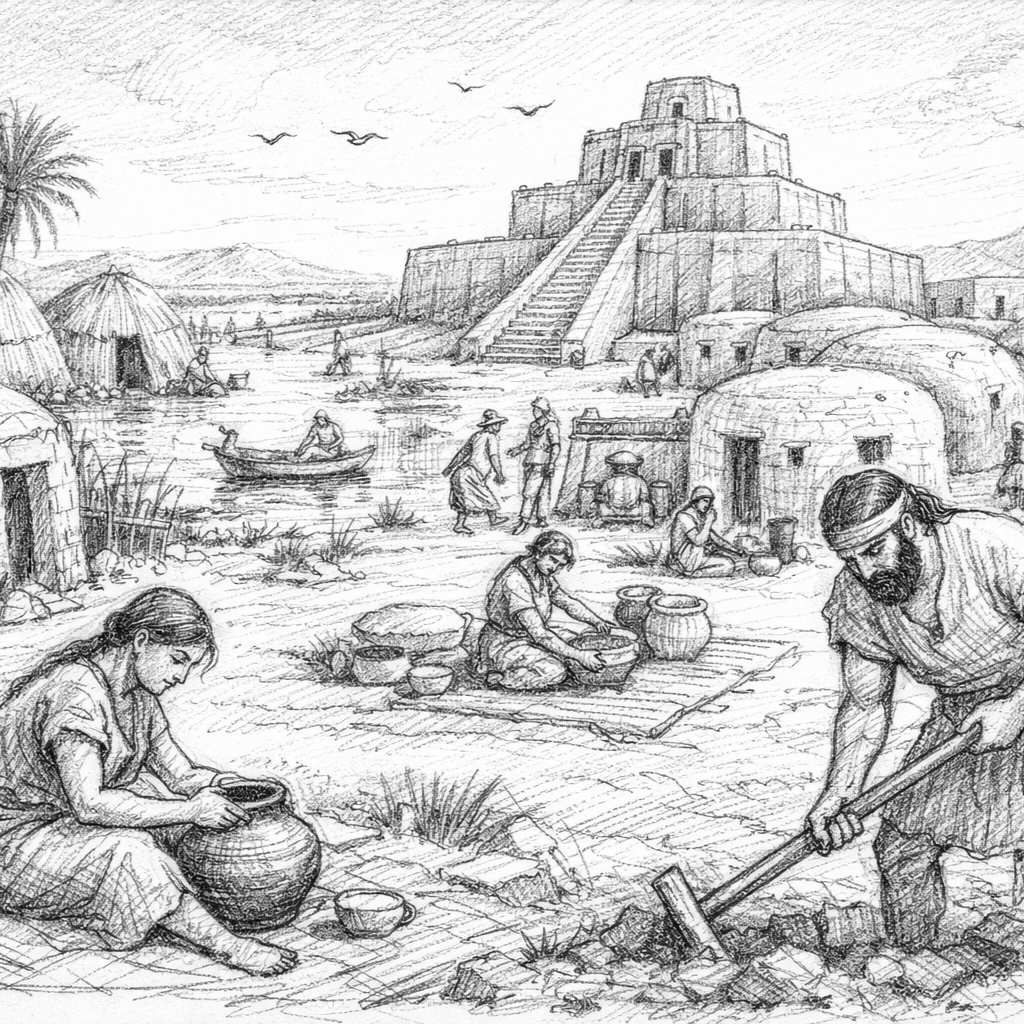
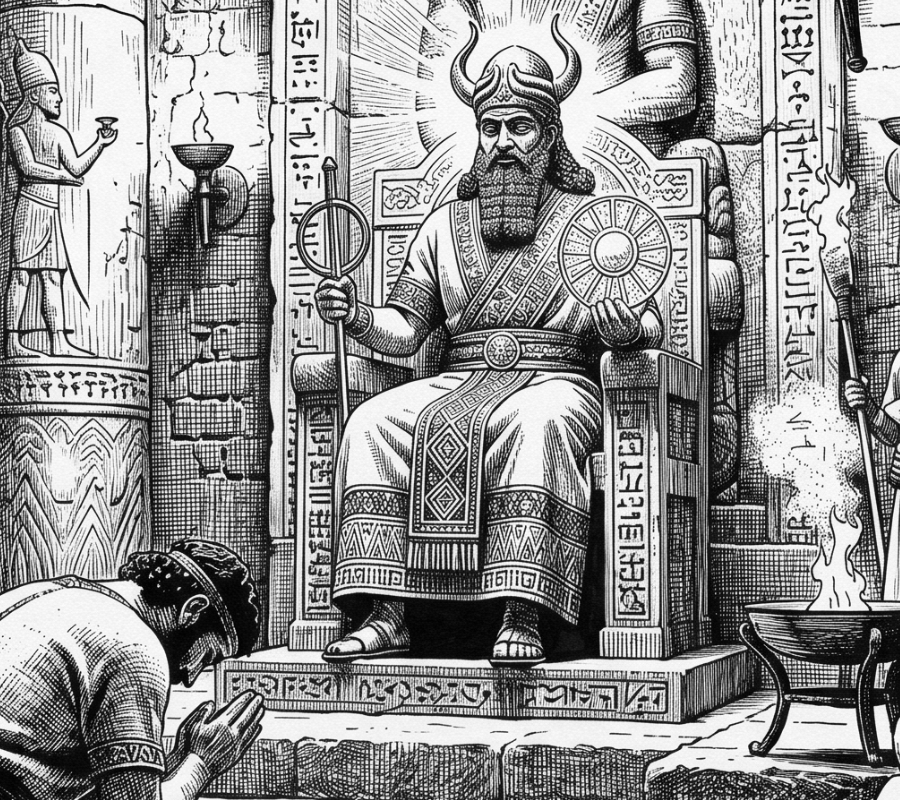


In the world of Mesopotamia cultures, an oath was a three-dimensional pact that intertwined the right, religion and the human body itself. For the inhabitants of Babylon and Assyria, the whole cosmos functioned as a gigantic legal order where the civil and religious spheres were completely united. Each contract, trial or political treaty needed direct testimony from the deities to be valid. The solar god Šamaš, considered the supreme guarantor of equity, looked from heaven as an omniscient witness. Thus he was immortalized in the famous wake of the Code of Hammurabi, where the king receives the symbols of power from the hands of his own divinity, showing that the law was of divine origin.
The anatomy of the oath and the danger of māmītu
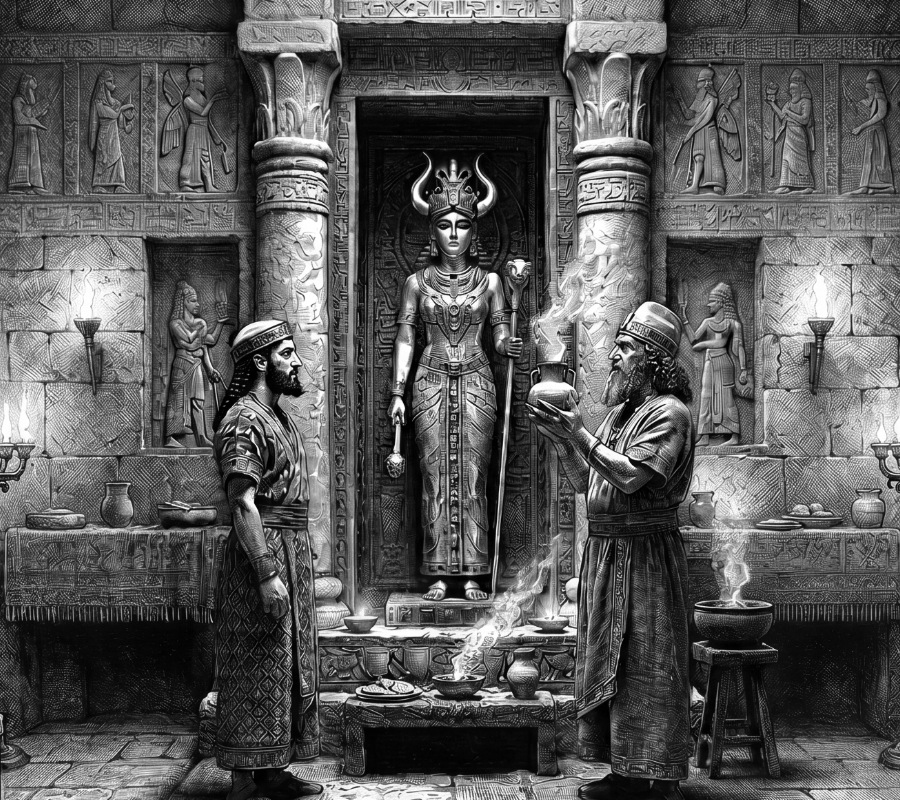
The mesopotamic oath (māmītu) consisted of a solemn verbal act pronounced before the statue or symbol of a god. Whoever swore, offered his own life as a guarantee through an automatic curse clause. If the person lied, he voluntarily accepted heinous punishment by the gods: disease, famine or the extinction of his lineage.
Historians classify these pacts into two main types:
Promise oath: A commitment to the future, such as the Esarhadon vasalage treaties.
Declaratory or purgatory oath: A statement of truth about past events. When in a neo-Assyrian trial the evidence or witnesses were insufficient, the judge imposed this oath on the accused before the divine effigy. If he lied, the punishment fell on him in the future. When the case was too serious or undecipherable (such as homicides or witchcraft), the river order (Ο ursān): the suspect was immersed in the waters of the sacred river. If he survived, the God had cleansed him; if he drowned, the divinity had held him in a sign of guilt.
The physical weight of the lie: The word māmītu He defined three things at the same time: the oath, the curse unleashed by perjury, and the physical disease that sprung in the traitor's body. Mesopotamic medical texts describe that this curse was attached to the insides, causing severe abdominal pain, fevers and progressive deterioration. Moral order and physical health were completely connected.
Šurpu and the purification of the senses
In order to stand before a god and make a new oath, the individual required to be in a state of absolute purity. If he had a previous fault, he had to submit to the ritual series. Šurpu ("burn"), an exorcism ceremony designed to clean the spirit.
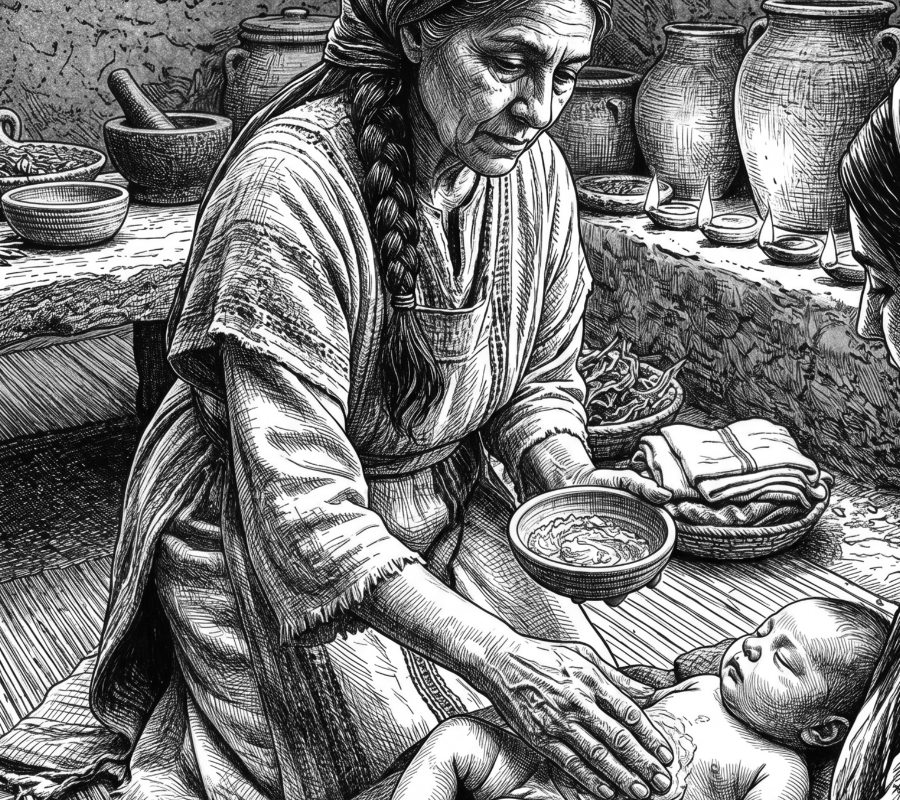
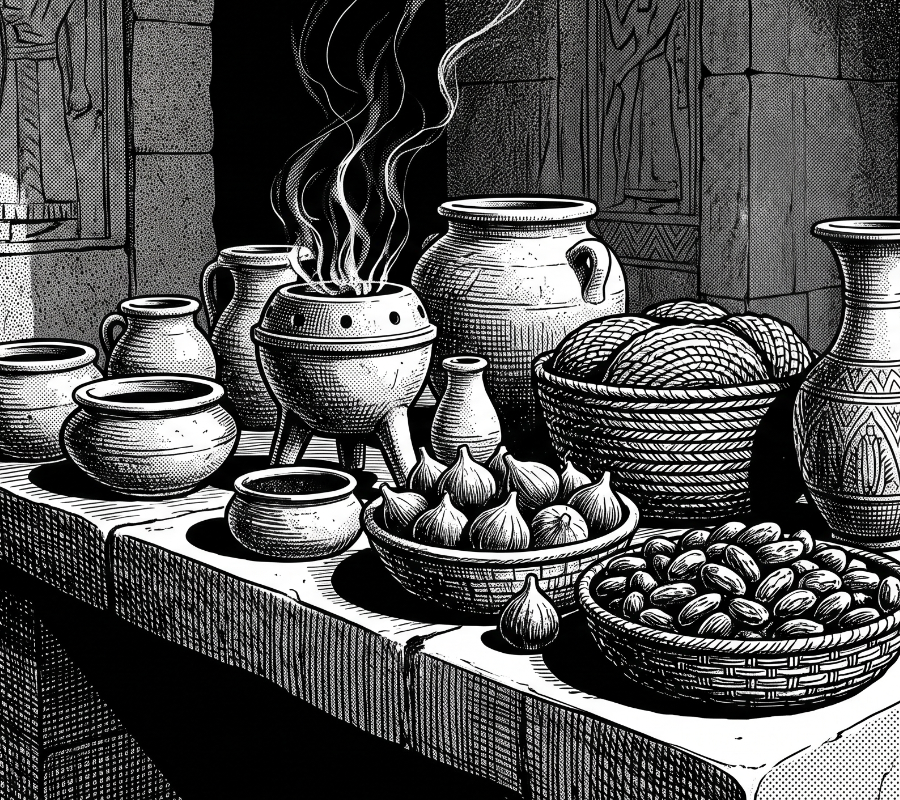
During this rite, the exorcist priest (āšipu) guided the patient in an exhaustive confession of sins (perjury, theft, adultery or moral misconduct). Then a transfer of guilt was made: the priest rubbed the body of the affected with daily materials —mass of flour (qemù), wool (šīpātu), garlic and onion shells, reeds, goat hair, groups of dates— that symbolized sins and their consequences. These objects were then thrown into the fire. The most well-known text of this phase is the incantation of Šurpu V-VI, where the patient says while peeling and burning an onion:
"My disease, my tiredness, my guilt, my crime, my sin, my transgression, / The disease present in my body, my flesh and my veins, / Let them peel like this garlic, / that the god of fire, who burns, may consume them today." Let the curse go so I can see the light! "
The materials absorbed the impurity and then were thrown into the fire while reciting enchantments so that evil would be consumed in a definitive way.
It is essential to clarify that the elements burned in the ritual of Šurpu They were only used to absorb guilt. High-status aromatic substances were reserved for the cleaning and consecration of temples and statues.
| Aromatic substance | Characteristic Aroma | Role in the Jury Environment |
| Juniper (burāšu) | Soft, resinous and balsamic. | His smoke purified the sacred space of the court or temple. |
| Cedro of Lebanon (erēnu) | Warm, wood and deep. | The most prestigious ingredient used to consecrate the lustral water. |
| Cyprus (šurmēnu) | Green, resinous and fresh. | It was applied in oils on statues and composed the Assyrian cones to spread water. |
| Mineral sugar | Penetrant, acre and sulfurous. | Used in protection rituals to drive away the forces of evil. |
Solemn oaths were loaned in environments completely saturated by these botanical fragrances, whose aromas were part of actual recipes documented in the temples of Assyria.
This whole atmosphere had a deep theological purpose that was consolidated in the rite of mīs pī ("mouth washing") of which we have already spoken in a previous article. By applying honey, butter, cedar resin and cypress on the face of the cult statue, the priests "opened the senses" of the stone or wood effigy. From that moment on, the statue ceased to be an inert object; it became a living manifestation of deity, fully capable of seeing contracts, smelling offerings and listening to men's promises. To enter the temples of Mesopotamia was literally to stand and declare before the attentive look and the awake smell of the gods themselves.