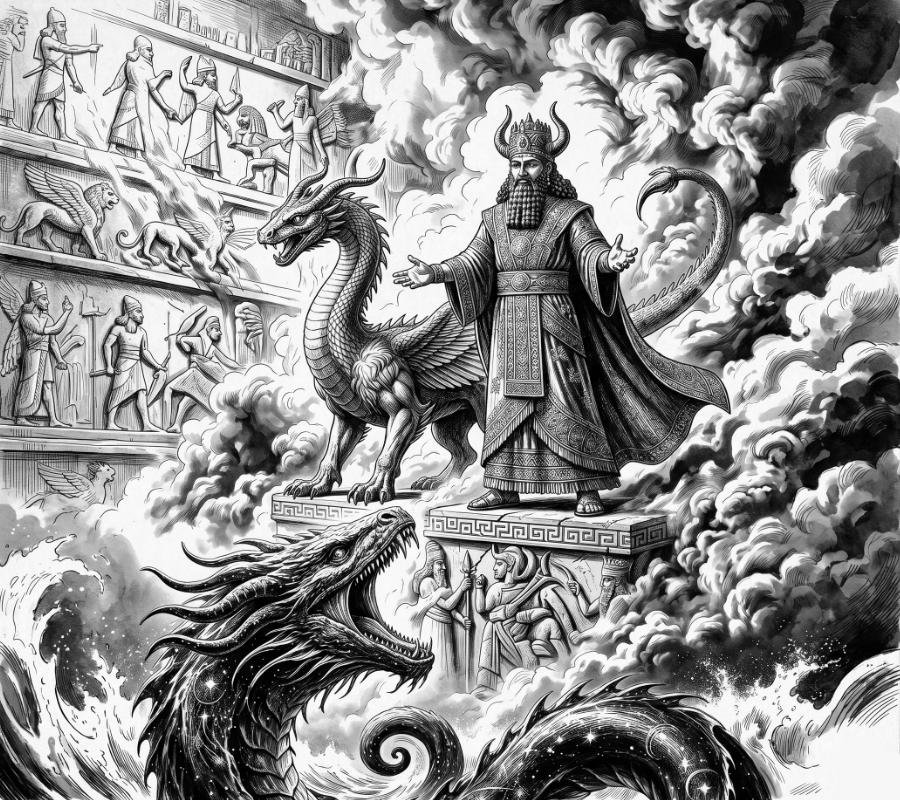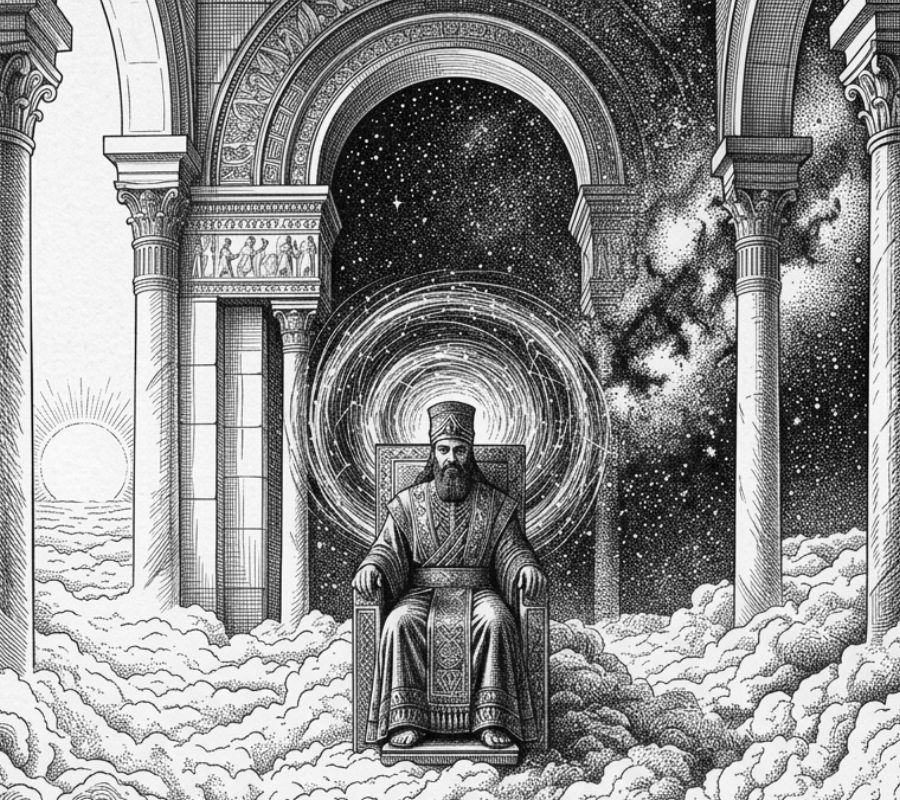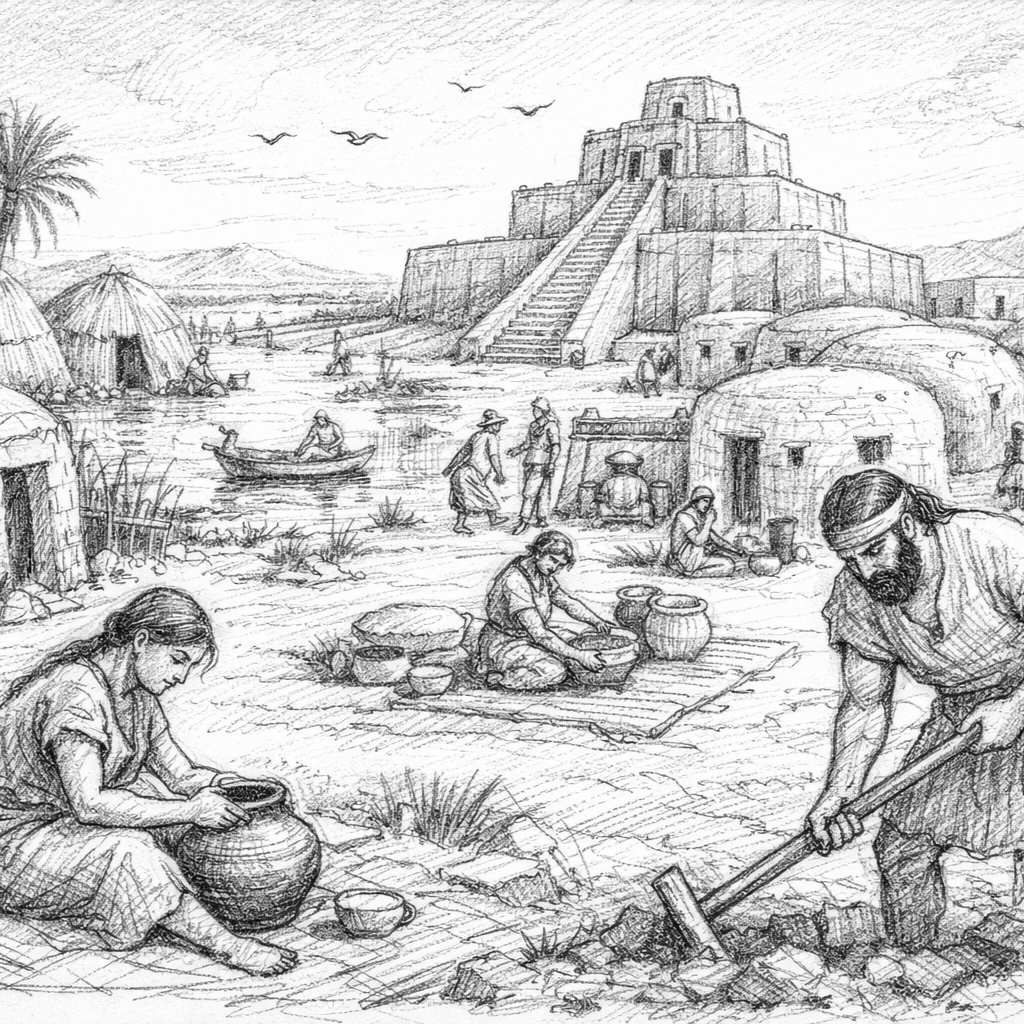



The celebration of tākultu He responded to a fundamental theological reality in mesopotamic thinking: the gods had genuine and pressing body needs. Deities experienced hunger and thirst in an explicitly organic way.
An eloquent testimony of this dependence is kept in the correspondence of the SAA files, where a prophetic letter attributed to the goddess Ištar herself and addressed to King Esarhaddon expresses a vaguely claim:
"I'm missing food for my banquet... I'm deprived of my food, deprived of my drink."
This bitter complaint reveals that negligence in the service of the altar caused a real and visceral lack on the divine plane. The tākultu It represented the institutional and monumental response of the Assyrian monarchy to the demand of its protectors; an extraordinary mechanism through which the king restored the abundance in the heavenly tables to ensure, in a mutual way, the survival and triumph of his empire on earth.
The modern reconstruction of this liturgy is based on the editions of the ritual texts of the Middle and Neoasirium Asian Empire by Simo Parpola in Assyrian Royal Rituals and Cultural Texts (SAA 20), as well as in Hannes Galter's detailed philological and historical analysis of the feeding of the divinities in the old Middle East.
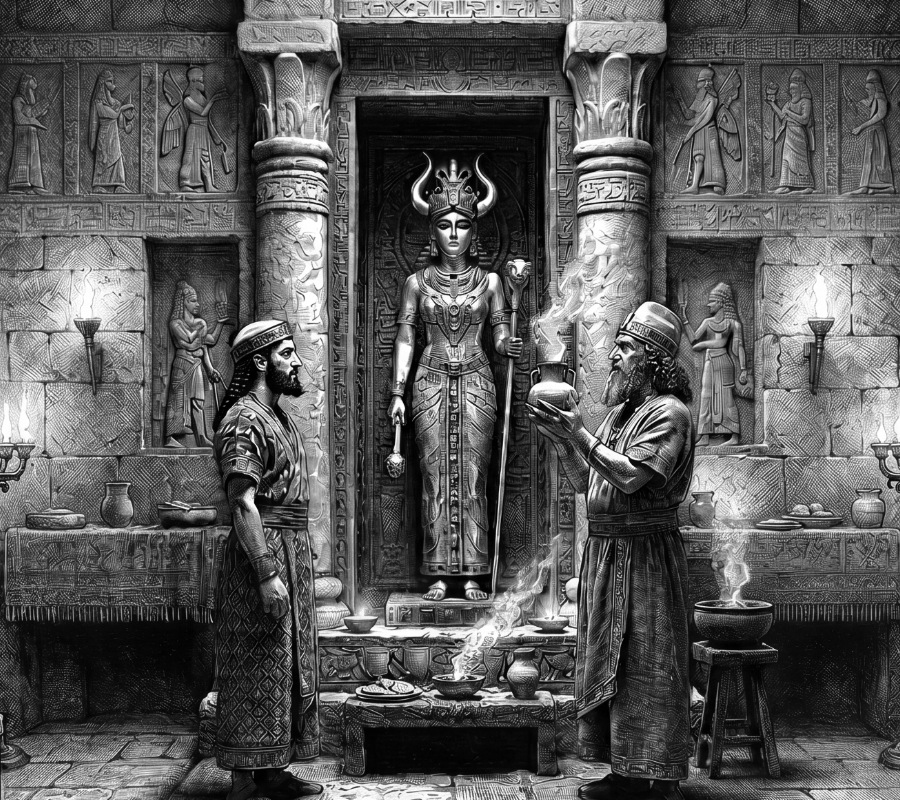
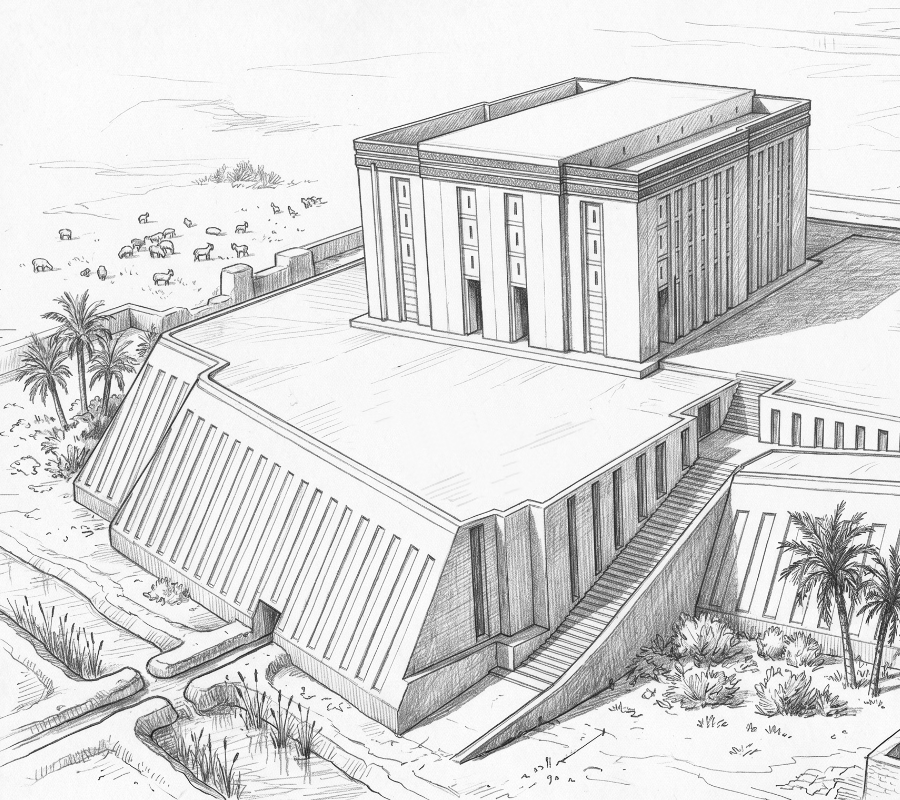
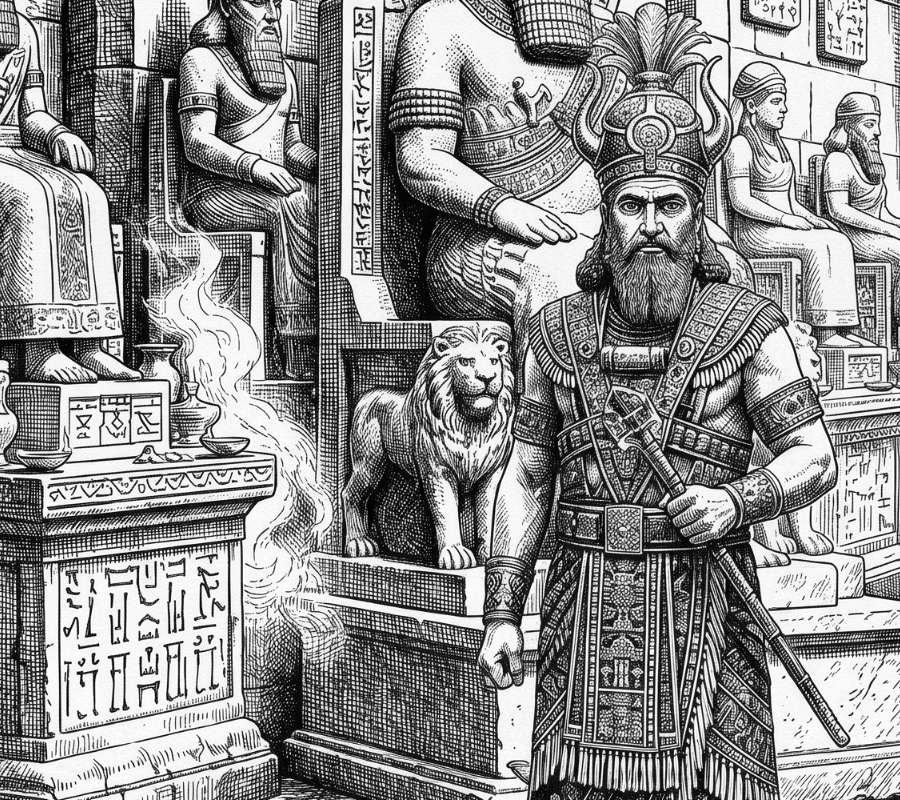
Unlike other courtesan celebrations that took as their stage the royal palaces or the lush imperial gardens, the tākultu was strictly executed in the sacred space of the temple of Aššur, in the religious and symbolic capital of the empire. The physical stage of the beginning was restricted to the inner enclosure of the temple, the intimate space where the images of worship abode. There, in front of the divine statues, long tables were strategically available to receive food and drink, transforming the architecture of the sanctuary into a majestic cosmic dining room.
The ritual of tākultu He orchestrated a vast network of interactions between the divine and the human plane, calling for an audience that disdrew the borders between the animated and the inanimate.
Divine actors
According to the VAT 10126 register, non-human diners were structured into three clearly hierarchical categories:
The central deity: Aššur, the dynastic and national god of Assyria, presided over the table as the main recipient of honors and offerings.
The great Assyrian pantheon: A select assembly of the major gods of the empire, indispensable for the balance of the cosmos and the state, among whom Ištar (goddess of war and desire), Šamaš (the sun and sovereign justice), Sîn (the moon and the computation of the temporal cycles), Nabbas (wisdom and writing) and Adad (lord of the storm and fertility of the fields) were highlighted.
The personified entities: An extraordinary feature of the text is the inclusion, through individual invitation formulas ("come, sit, drink"), of elements of the very architectural and geographical landscape of the empire. The walls, doors and courts of the temple, the sacred rivers, the provinces and the same chronological units —days, months and current year— They acquired the functional status of full guests to the banquet.
Human actors
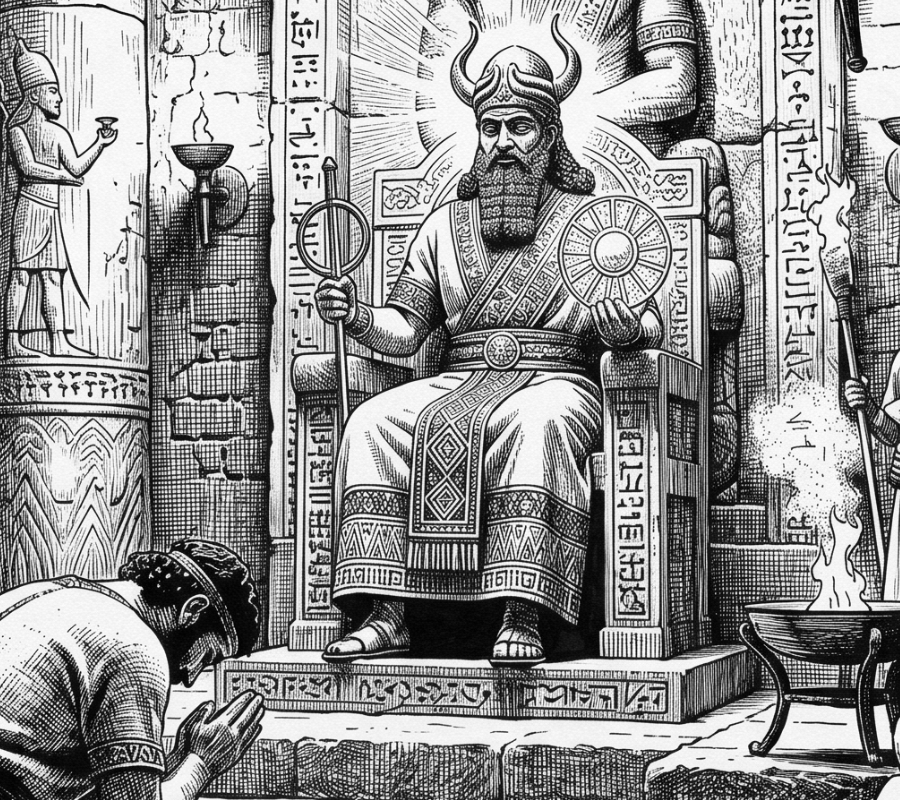
The sovereign: The Assyrian king played the double role of an earthly host and chief officiant. By taking care of the provision and service of the divine table, the monarch ensured cosmic retribution in the form of blessings for his own person, for the stability of his throne and for the prosperity of his land.
The clergy of Aššur: A body of specialists coordinated the material and liturgical execution. The priests of the daily cult were concerned with the immolation of the animals and the preparation of the loaves; the singers (kal You) they sang the sacred hymns, and a team of servers, cooks and coperos managed the incensaries and the ritual crockery.
The courtier elite: A select comitiva of high dignitaries and civil and military officials witnessed the act, admitted to consume the remnants of the banquet once the gods had taken their portion.
Tākultu ritual sequence
The liturgy was developed through a series of rigid phases that guaranteed the correct transition of food from the profane to the sacred dimension.
Prior preparations and purification
Before the first comment crossed the threshold, the temple space and the images of the gods should be conditioned. The purification rituals included the sprinkling of lustral water and the burning of incensaries loaded with juniper.
The statues of the divinities, previously awakened and "activated" by the complex formulas of the opening ritual of the mouth (mīs pī), were anointed with honey, selected oils and clarified butter, thus being prepared to perceive the gifts of the banquet. At the same time, many varieties of bread were baked in the temple kitchens and the meat of oxen, sheep and birds was roasted.
Opening and liturgical invitation
The ritual itself began with the decline of an extensive invocation by the king or the high priest in his name. The official pronounced the name of each god, every river and every architectural element, exclaiming the liturgical formula: "Come, sit in your place, drink wine and beer, eat bread and meat". Through the spoken word, the invisible and personified entities took material and symbolic possession of their seats in front of the offering tables.
Development of the banquet and divine consummation
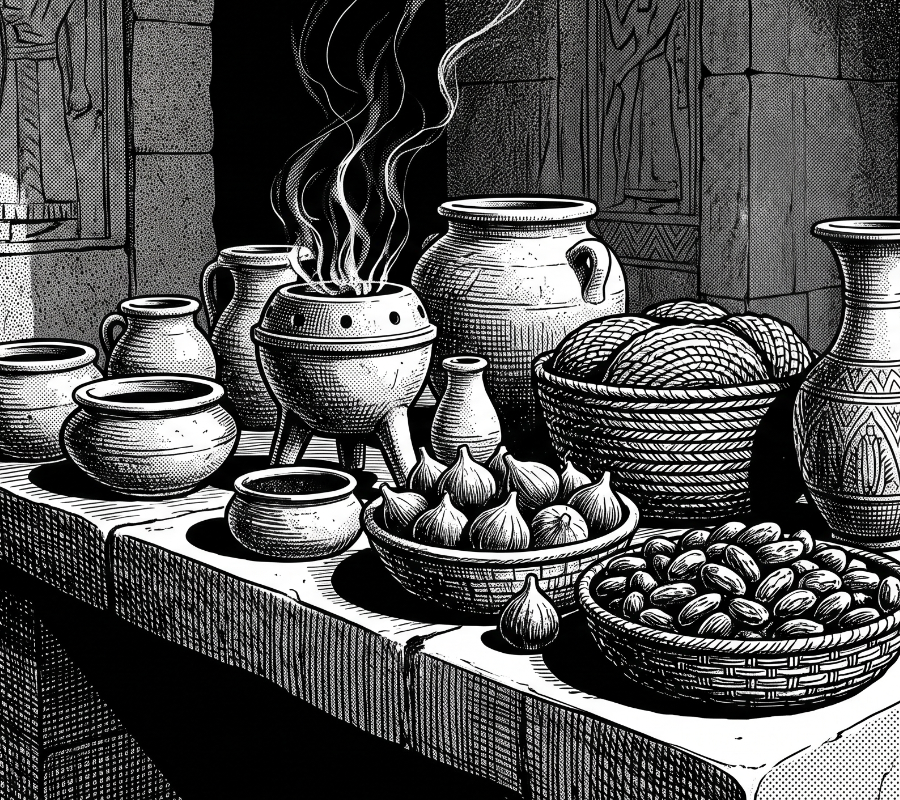
The servers covered the tables with sources of beef roasted from ox, sheep, duck and pigeon, bread flavoured with onion (zīzu), honey-impregnated candy (dišpu) and fresh dates (suluppu). The food was distributed in accordance with the strict hierarchy of the pantheon: the most select and copious portions corresponded to Aššur, reducing in a proportional way for the minor divinities and personified elements.
The libations were immediately beginning. The wine (karānu) and beer (šikaru) were continually poured from ceremonial cups before the statues. By spilling some of these drinks on the burners and the temple floor, the hot liquid generated dense clouds of aromatic steam.
Theologically, the feeding of the mesopotamic gods was produced through the sense of smell. The gods consumed the essence of the offering by absorbing the fat smoke of the sacrifices, the aromas of the roasted cereal and the fermented and fruit effluviums of the drinks. While the divinities were nourished by this olfactory landscape, the clergy recited hymns that glorified the magnificence of the royal table.
After the completion of divine nutrition, the principle of human beginning was activated: the viandas that had been exposed to the sacred images were removed to be distributed between the king, the priests and the government elite, physically transferring the blessing of the gods to the bodies of the rulers.
Closing and cosmic retribution
The final section of the VAT 10126 tablet shows the final purpose of the banquet. The monarch, having satisfied his heavenly lords, demanded the corresponding retribution. The texts articulated specific requests: in exchange for bread, water, flesh and wine provided by the sovereign, the gods were to give him a long life, a firm reign, the stability of the imperial borders and a constant agricultural abundance for the land of Assyria. The ritual ended with the gradual extinction of the incensaries and the disassembly of the tables, returning the temple to its state of daily purity.