

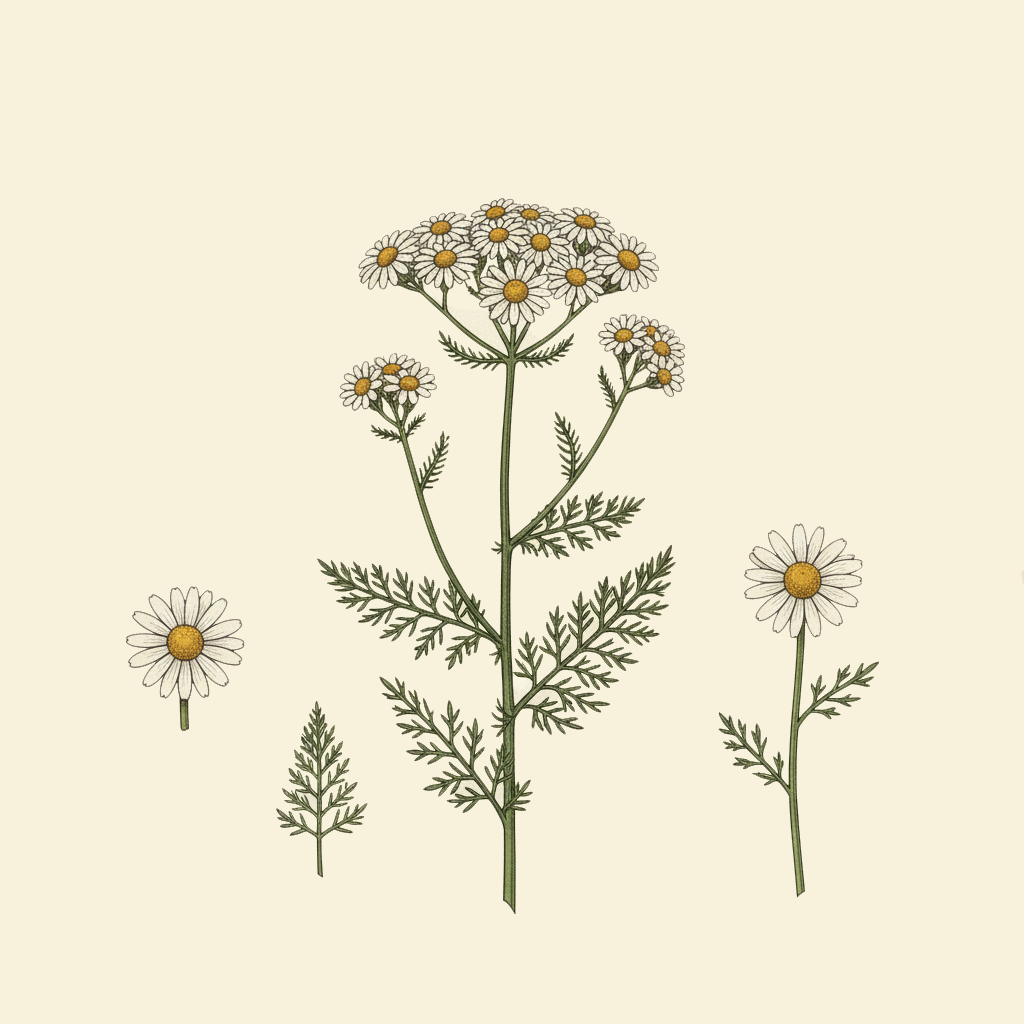
The Milenrama It is a species native to the temperate regions of the northern hemisphere (Eurasia and North America). Its presence is very old and remains of pollen have been found in the Bronze Age sediments. His generic name (Achillea) refers to its alleged use by Achilles to treat the wounds of its soldiers in the Trojan War.
-
Distribution and Biomas: It is an extremely adaptable plant found in meadows, pastures, road edges and coastal areas. It is found in biomas of temperate meadows, Mediterranean bushes and even boreal areas. It is a pioneer species that tolerates disturbed soils.
-
Major Producers: It is not grown on a large scale as an agricultural commodity. Its collection and cultivation on a smaller scale for herbal and medicinal use is mainly in countries of Eastern Europe, the Balkans and North America, where it grows wild.
Fast source: Royal Botanic Gardens Kew
Species & Culture
Use: Medicinal (antiseptic, for wounds).
Evidence: Like the chamomile, traces of millennia likely were found in the dental calculation of neanderthals of El Sidron. It has been proposed to be used as a medicine, although it may also have been a flavour for your meals. The ability of neanderthals to detect and tolerate bitter flavors could have been a lead to identify plants with medicinal properties. Part of the environment: Its finding in El Sidron places it as part of the vegetation available in its habitat.
Fast source: PubMed
The millennial produces essential oil by steam distillation:
- Performance: 0.07-0.5% (extremely low)
- Material: Talks and flowers, preferably fresh
- Duration: 6-7 hours of distillation
- Characteristic color: Blue due to chamazulene formed during distillation
Aromatic components
The main components identified include:
- Chamazulene: Responsible for blue color and anti-inflammatory properties
- β-longinene: 8.7%
- α-pinene: 16.1%
- Matricine: Precursor of chamazulene
- Linear shesoterpenes: 43 per cent of total
Fast sources: Phibeearomatics
There are no specific IFRA restrictions for millenarian essential oil as such, but individual components may be regulated. Chamazulene and other components must meet the maximum concentrations established by product category according to IFRA.
The Achillea millefolium, or millenrama, is authorised in the EU for use in traditional plant-based medicinal products, which means that its use is based on the tradition of thousands of years, as indicated in Directive 2001 / 83 / EC. The use of millennia in cosmetics is regulated by European legislation that ensures the safety of these products in the EU. The national and European authorities are working together to ensure that products containing Achillea millefolium are safe for people.
Cosmileeurope
Space under construction by collaborators.
The section Technical information and has a general arguative character. It is presented for information purposes to promote responsible knowledge. Because of the risks associated with the incorrect use of botanical extracts, aromatic molecules and the increase in unregulated practices in the production of aromatic products, Myrodia Khartes has chosen not to disclose complete extraction methodologies or specific concentrations that may compromise public safety. Health, ethics and scientific integrity guide our decision to limit the exposure of certain technical data.
- European Commission. (2009). Regulation (EC) No 1223 / 2009 on Cosmetic Products. Official Journal of the European Union, L 342, 59-209.
-
IFRA (International Fragrance Association). (2023). IFRA Standards Library: 52nd Amendment.
- The Good Scens Company. (2025). Fragrance Raw Materials Database

