


In the face of the sacred, human beings have deployed a complex language of symbols, words, songs and movements. Among these, the sense of smell has occupied a distinctive place: that of a direct and preverbal channel. Through the smoke of incense, sahumerium or burning resins, cultures have materialized the intangible, building a way of communication and offering that operates in the record of the atmospheric and the body. The ritual smoke transcends its symbolic function; it is a fundamental sensory infrastructure for religious experience. A material medium that transforms, modulates the state of consciousness and alters the perception of the real, functioning as a physical vehicle and symbolic food for transcendence.
Judaism and the Incense of Presence
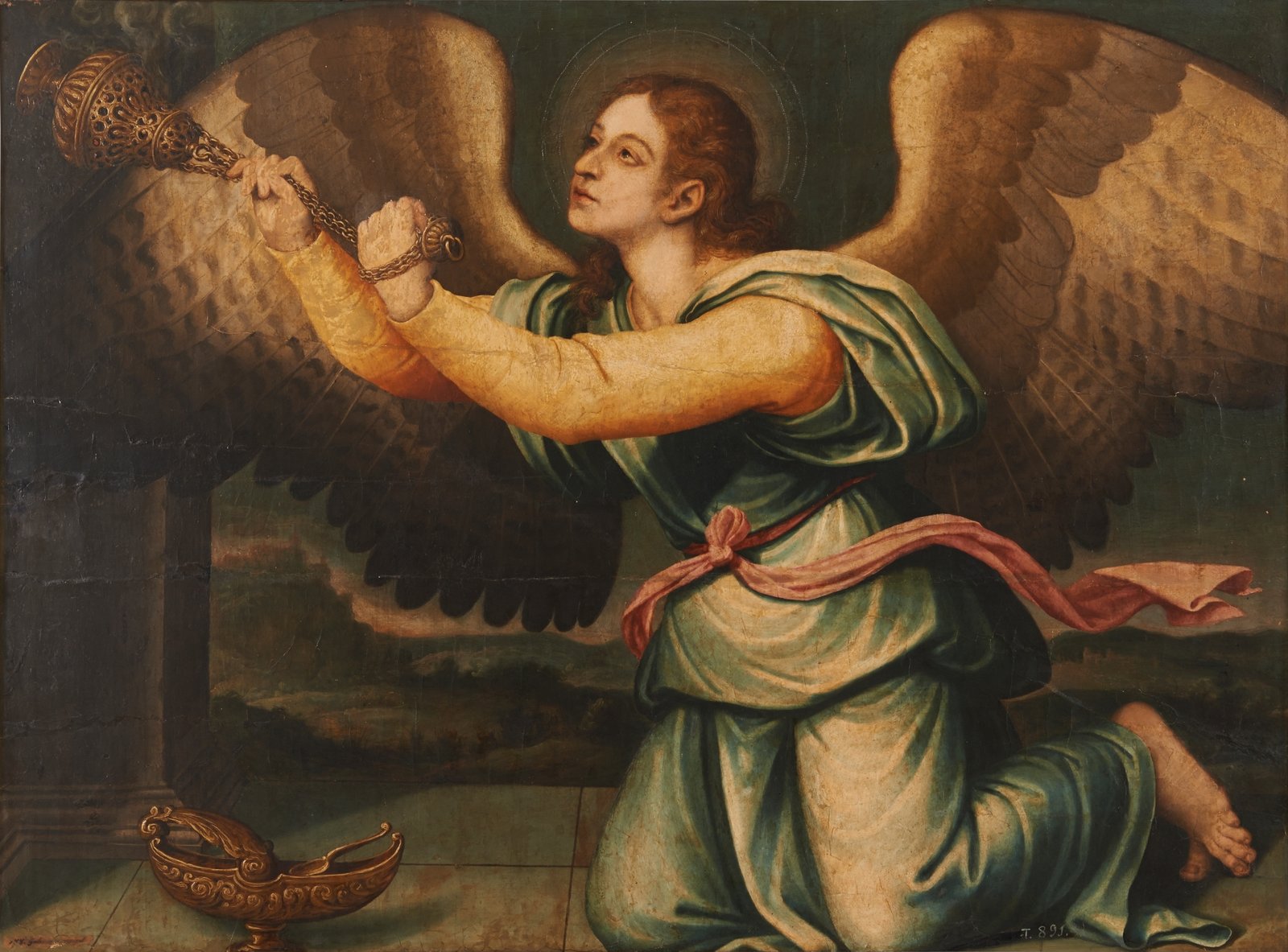
In the cult of the Temple of Jerusalem, the smell was the sense of divine proximity par excellence. The book of Exodus (30: 34-38) accurately prescribes the formula of sacred incense (ketaret), an exclusive mixture of stacte, onycha, galbano and pure olibano, the composition of which was prohibited for profane use. This mandate responded to a precise theology. The aromatic smoke that filled the Kodesh HaKodashim (Holy One) was understood as the means that watched and at the same time revealed the Shejiná, the divine presence. Psalm 141: 2 has this function: "Put up my prayer before you as incense." The ritual established a metonymic correspondence: just as incense is consumed and ascended, invisible but perfuming everything, so prayer and offering are raised from the material to God. The anthropologist Constance Classen points out that in these cosmologies, smell is the most suitable sense to perceive the spiritual essence, the "fragrance of holiness." Smoke not only represented prayer; it was its olfactory body, its sensitive manifestation and its aroma, conceived as divine food.
The Pharmacology of the Sacred Case
While the Abramic traditions rially encoded smoke, in the East its direct impact on consciousness was explored. Buddhism and Hinduism have used for millennia resins like sandal and guggulu not only to purify space, but as active support for meditation. Contemporary science has begun to decipher the material basis of this ritual intuition. Research published in The FASEB Journal identified in the incensol acetate, a component of the resin Boswellia (olive), the ability to activate ionic channels TRPV3 in the mammalian brain. Its activation produces clearly measurable anxiolytic and antidepressant effects. This finding does not reduce spiritual experience to chemistry, but reveals the sophistication of ritual engineering: the burning of incense generates a neurophysiological environment conducive to introspection, mental stillness and contemplative openness. The sacred smoke thus operates in two simultaneous records: the symbolic (as an offering and symbol of impermanence) and the pharmacological (as a modulator of the state of consciousness), facilitating the transit from the ordinary to non-ordinary states of perception.
The effectiveness of the olfactory ritual lies in its ability to generate a numinous atmosphere (term of theologian Rudolf Otto for the sacred experienced as something fascinating and tremendous). By saturing a space with a dense, distinctive and meaningful aroma —Par, myrrh, sage—, an enveloping reality that changes the collective affective tone is created. The ritual smell works as a sensory transition device. It marks the limit between the profane and the sacred, not with a wall, but with a veil of smoke that must be crossed. Within that atmosphere, the sacred narratives become more credible, the most powerful symbols and the sense of communion with the transcendent, most tangible. It is an engineering of the experiential that prepares the body and the mind for the extraordinary, making the air the very middle of the divine.