

Identity is not just the story we tell ourselves; it is an atmosphere that we exhale and inhale from others. Even before the speeches about race, class or gender are articulated as ideology, they are installed as an internationalized olfactory landscape, an invisible border drawn by what we consider fragrant or fisted. This speech is connected to our perception. The smell operates in an invisible and visceral way as a system of social classification, building collective identities and justifying hierarchies through an alleged immediate and undisputed sensory evidence.
Case of Europe, XVIII- 19th centuries: historian Alain Corbin documented the moment when the European bourgeoisie, in its rise, declared a sensory war against the world that preceded it. What he called the "olfactory revolution" was not a change of taste, but a political project of distinction. The stench, previously omnipresent and relatively tolerable, was redefined as a sign of backwardness, moral disease and social inferiority, which is viscerally associated with the popular masses, rural spaces and the Old Regime (the Medievo). Personal hygiene was no longer a medical matter to become a civic virtue and a class marker. Soap, water and later perfume (used with caution) became the tools for making a "civilized", discreet and, above all, toilet body in the search for its denial of the natural smell. This privatization and denial of the body smell created a new standard: the bourgeois's "olfactory silence" was erected as the norm against which any other smell would be judged as a transgressor, vulgar or dangerous. Michael Stoddart observes that, although human beings enjoy the aromas of nature, such as a garden or good wine, we feel a deep rejection or shame for the natural odors of our fellow men. For Stoddart, it is paradoxical that we are the species with the most secret glands of odour, so he calls us "the perfumed ape" and that, at the same time, we have become "the deodorized ape" due to our efforts to eliminate any trace of body aroma.
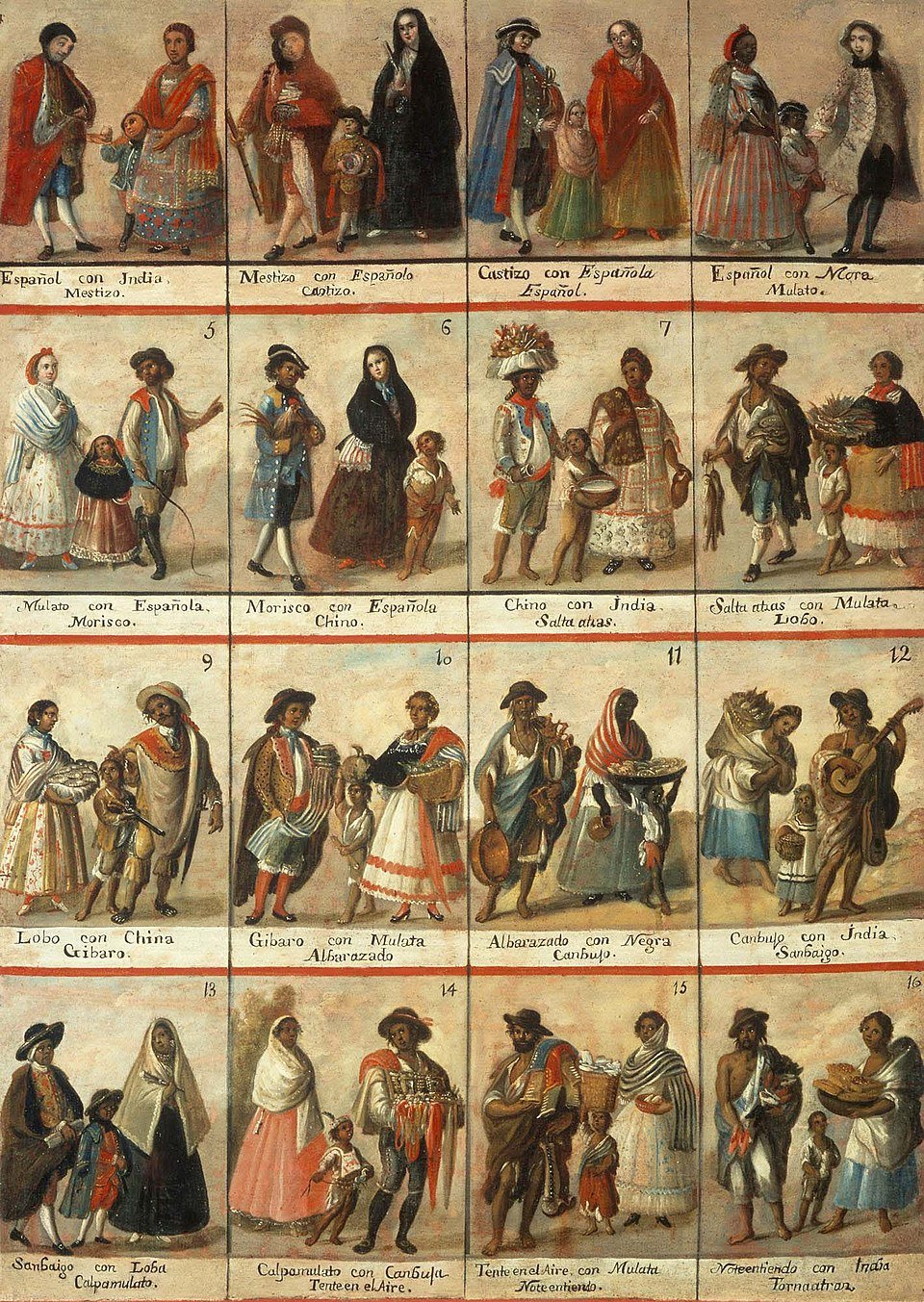
Case of Olfactory Racism: The classifying logic of the smell did not stop in the class; it was a crucial instrument for modern racial construction. As Andrew Kettler analyzes, the "African subject was defined as an odour object." Naturalists and 18th-century travelers, like the Count of Buffon, produced racist taxonomy where they attributed specific and unbearable body odors to African peoples, describing a hierarchy of fetidez that justified slavery and exclusion. This "imperial smell" projected on the other a sensory stigma that marked it as unable to access modernity and cleanliness, concepts that the West itself defined. The mechanism is revealing: prejudice precedes and molds perception. It is not that certain groups "smell evil" objectively; it is that a society learns to associate the smell of certain bodies; those of the racialized minorities, the poor, the marginal with a pre-existing idea of inferiority or threat, using the alleged immediate evidence of the smell to naturalize a culturally built inequality.
Power is exercised not only through laws or violence, but through what the anthropologist Constance Classen calls "olfactory cosmologies": systems of meaning that organize the world from aromas. An "osmotic code" establishes pairs of binary opposition (clean / dirty, civilized / wild, divine / demonic) and links them to social groups. This code is internalized so deeply that the visceral reaction (disgust, aversion, attraction) seems innate, not learned. Thus, the smell acts as a social control device of low intensity but high efficiency: it rules us by indicating, in an almost unconscious way, who we approach and who we distance from, which spaces are "for us" and which are not, which bodies are worthy and which repulsive. Identity is then perfused and deodorized in a constant act of adhesion to an invisible code.